
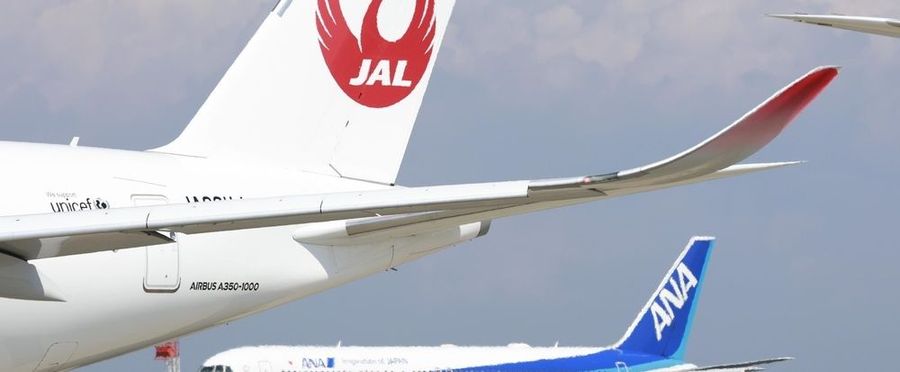
Japan's two major airlines, All Nippon Airways (ANA) and Japan Airlines (JAL), recently announced a mutual adjustment of their schedules. In an unpreceded move to collaborate, the two rivals will coordinate their flight timings, aiming to optimize their operations amid the challenging aviation industry climate. The announcement does not specify when these changes will take effect. The effect of this cooperation on passengers and the industry as a whole is yet to be seen.
In Japan, the aviation industry is a critical part of the economy and society. This news is significant because ANA and JAL are fierce competitors, and their decision to coordinate schedules is unexpected. Japanese people value harmony and collaboration, so this cooperation between two big rivals could potentially be viewed favorably.
In the US and EU, similar steps might raise concerns regarding competition regulations. While collaborations exist in these regions, seeing two competing airlines synchronize schedules is not common; airlines usually focus on direct competition by offering better routes or prices.