
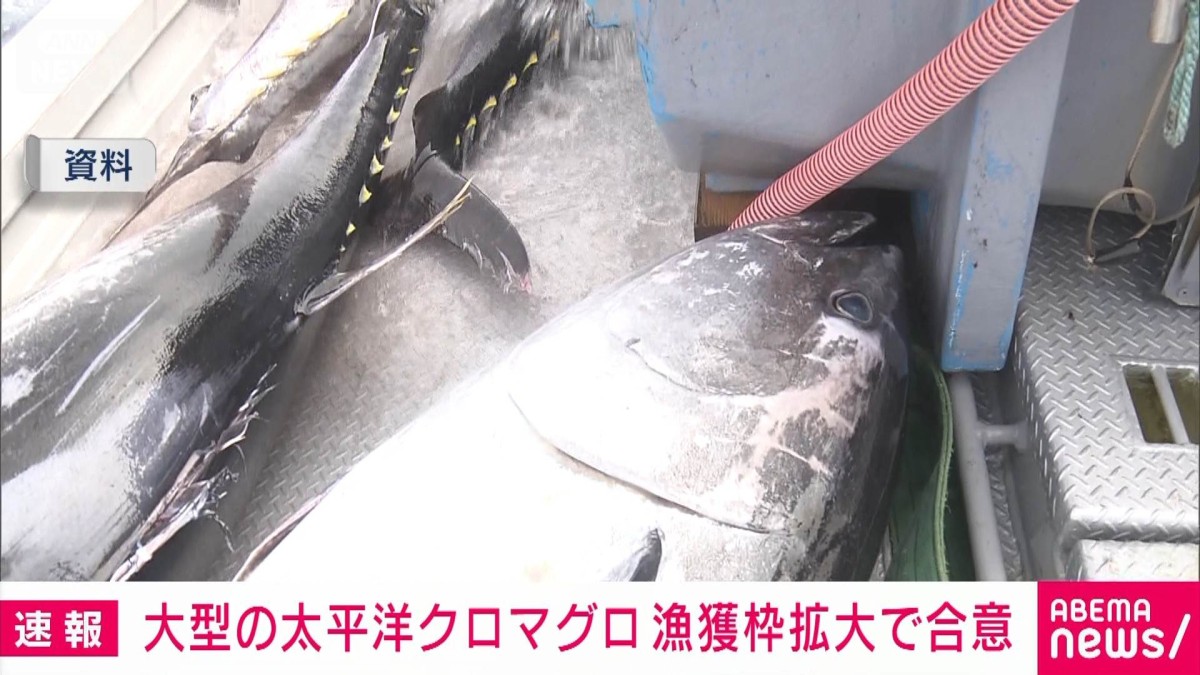
Japan has recently reached an agreement to expand the quota for large-scale Bluefin tuna fishing. This decision was made with a recognition of the economic benefits of the industry and burden of overfishing on the ocean's ecosystem. Specific details of the agreement, such as the rate of quota expansion and the countries involved, have yet to be disclosed.
Bluefin tuna is a highly prized fish in Japan, often consumed as sushi and sashimi. Overfishing has significantly depleted its populations, triggering concerns about sustainability. Japan has been trying to balance the needs of the economy, given the livelihoods depending on this industry, with the implacable need to protect marine biodiversity.
In the United States and European Union, overfishing is also a contentious issue. Fisheries management in these regions often involves strict quotas and rigorous monitoring of catches. Like Japan, both regions are intensely debating the balance between short-term economic incentives and long-term sustainable practices.