
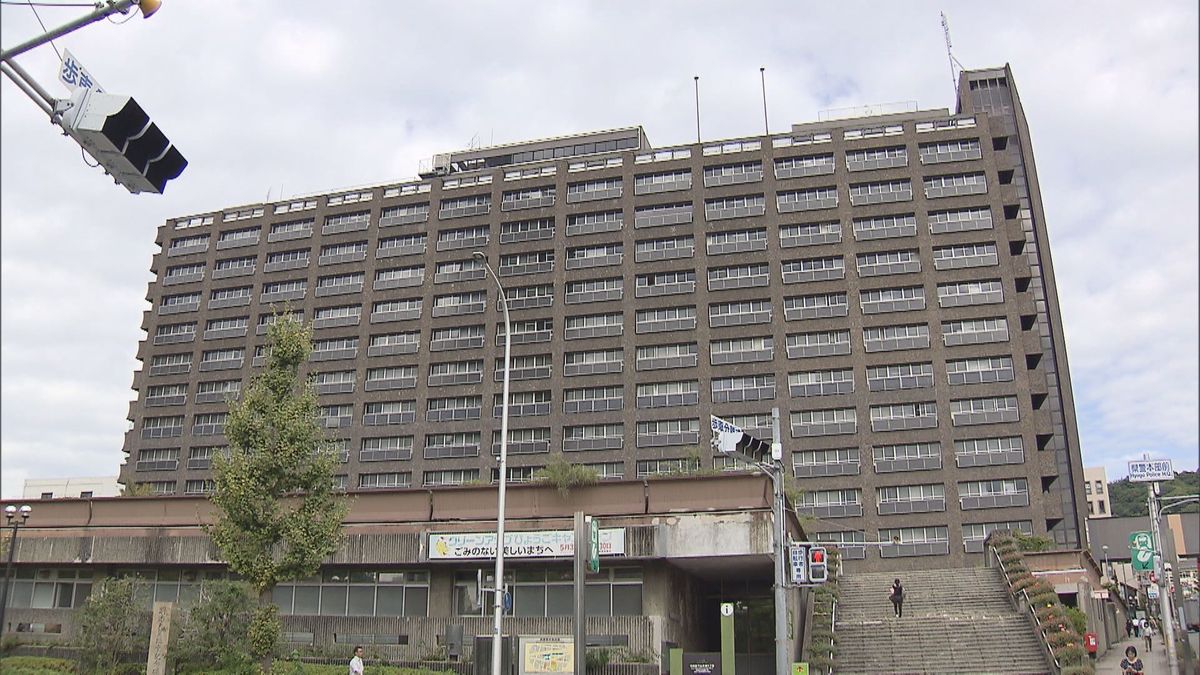
Hyogo Prefecture is grappling with deteriorating fiscal conditions as it has been listed among bond-issuing entities requiring sanction for public borrowing. The economic issues stem from various factors such as dwindling tax revenues, aging population, and ongoing expenditure needs. The Japanese prefectural government's concern intensifies as it strives to maintain public service quality while handling this fiscal crisis.
In Japan, public debt management is a crucial issue, often permeating debates at all levels, from local governments to nationwide policy discussions. Local governments' dependency on public bond issuance to finance their needs showcases a structural challenge facing many regions. Any instability at this level could impact national fiscal health and the services provided to citizens.
Just like in the U.S. or EU, municipalities in Japan heavily rely on bond issuance for revenue. However, under Japan's unique financial inspection system, when a local government's financial condition worsens significantly, it may be designated as a bond-issuing entity requiring approval, curtailing its fiscal independence. This situation is somewhat analogous but not identical to financially troubled cities in the U.S., which may have to apply for state oversight or even file for bankruptcy.