
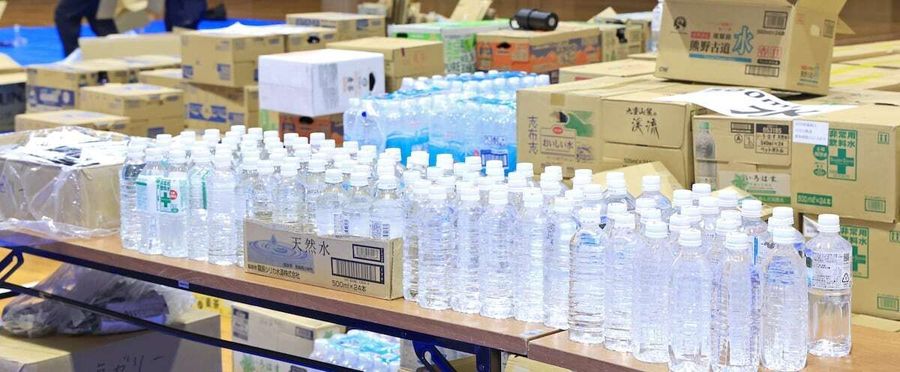
As we mark three weeks since the deadly Kumamoto earthquake in Japan, attention has increasingly shifted to the prevention of 'disaster-related deaths.' These are fatalities not directly due to the disaster, but due to factors such as exacerbation of chronic illnesses due to inadequate care or stress. Authorities and NGOs are stepping up efforts to ensure the elderly and other vulnerable groups receive appropriate medical care and mental health support.
Earthquake preparedness and disaster-related health issues are forefront in Japan, given its geographically vulnerable position. In Japan, the blame for related deaths usually falls on the government due to their role in disaster management. Therefore, the government, NGOs, and citizens work in conjunction to prevent further loss of life after the disaster.
Similar issues in the US or EU are handled by both government organizations like FEMA or EU Civil Protection Mechanism, respective Red Cross societies, and external NGOs. There is similar concern with secondary disaster-related deaths, particularly among vulnerable populations, and various measures are in place to combat this.