
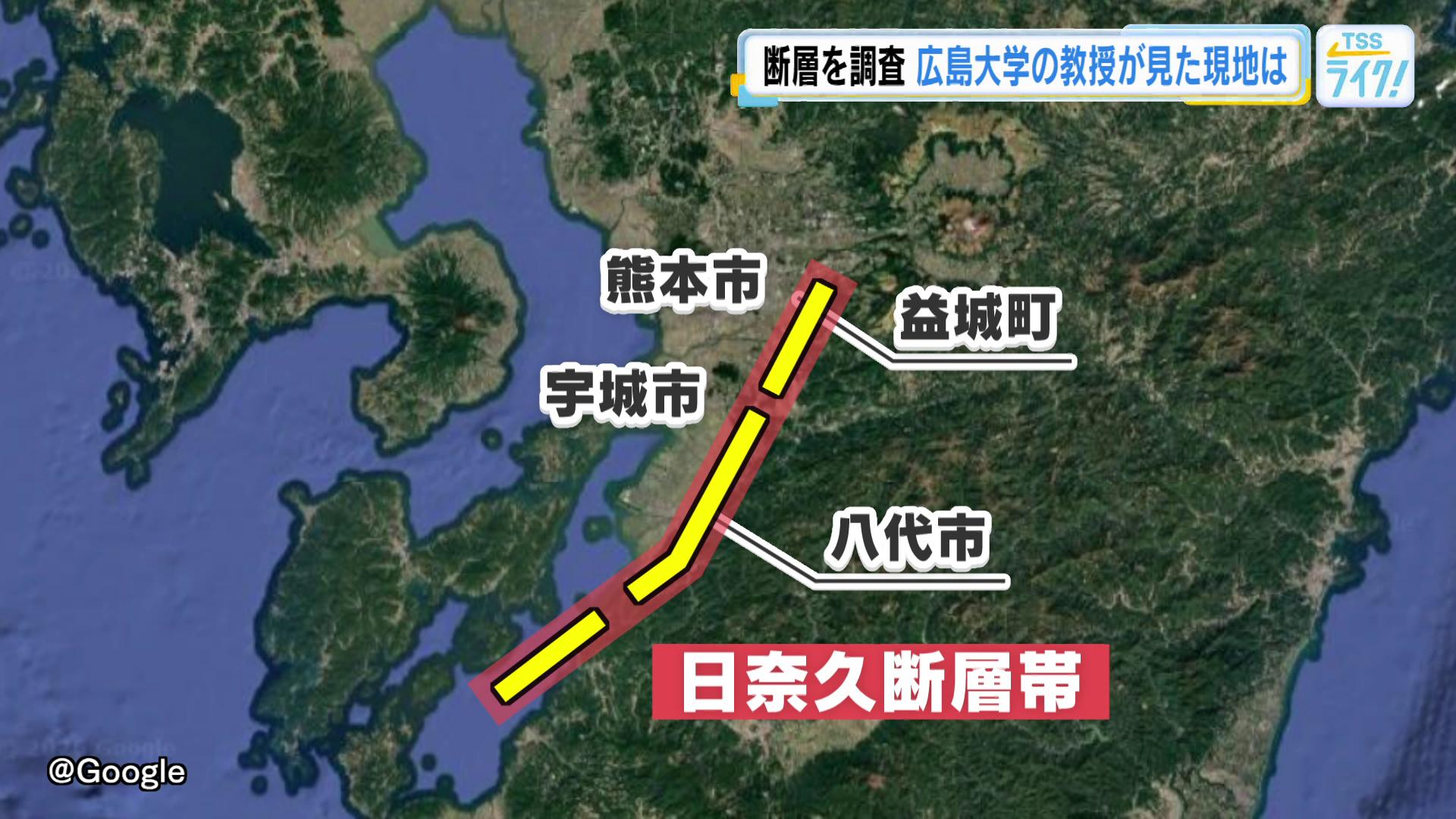
Geologists have unveiled their findings regarding the recent Kumamoto earthquake, detailing a substantial 38-kilometer faultline break. The discovery offers new insights into the earthquake's intensity and the potential for future seismic activities. The survey was conducted in the aftermath of the earthquake to assess the scope of the disaster, reveal underlying geological dynamics, and create better future response strategies.
Earthquakes are common in Japan due to its location within the Ring of Fire. As such, news involving earthquakes, especially significant ones like that in Kumamoto, attract significant attention. Japanese society prides itself on preparedness, with extensive focus on building codes, early warning systems, and public education about earthquake safety. The news will likely spur further discussions on improving these systems.
Just as Japan, areas of the US and EU that are prone to seismic activity like California or Italy also place immense focus on earthquake preparedness. However, unique to Japan is its highly extensive public education on the problem and stringent building codes that are arguably more rigorous. The US and EU might benefit from Japan's approach in engaging the masses about seismic safety and preparedness.