
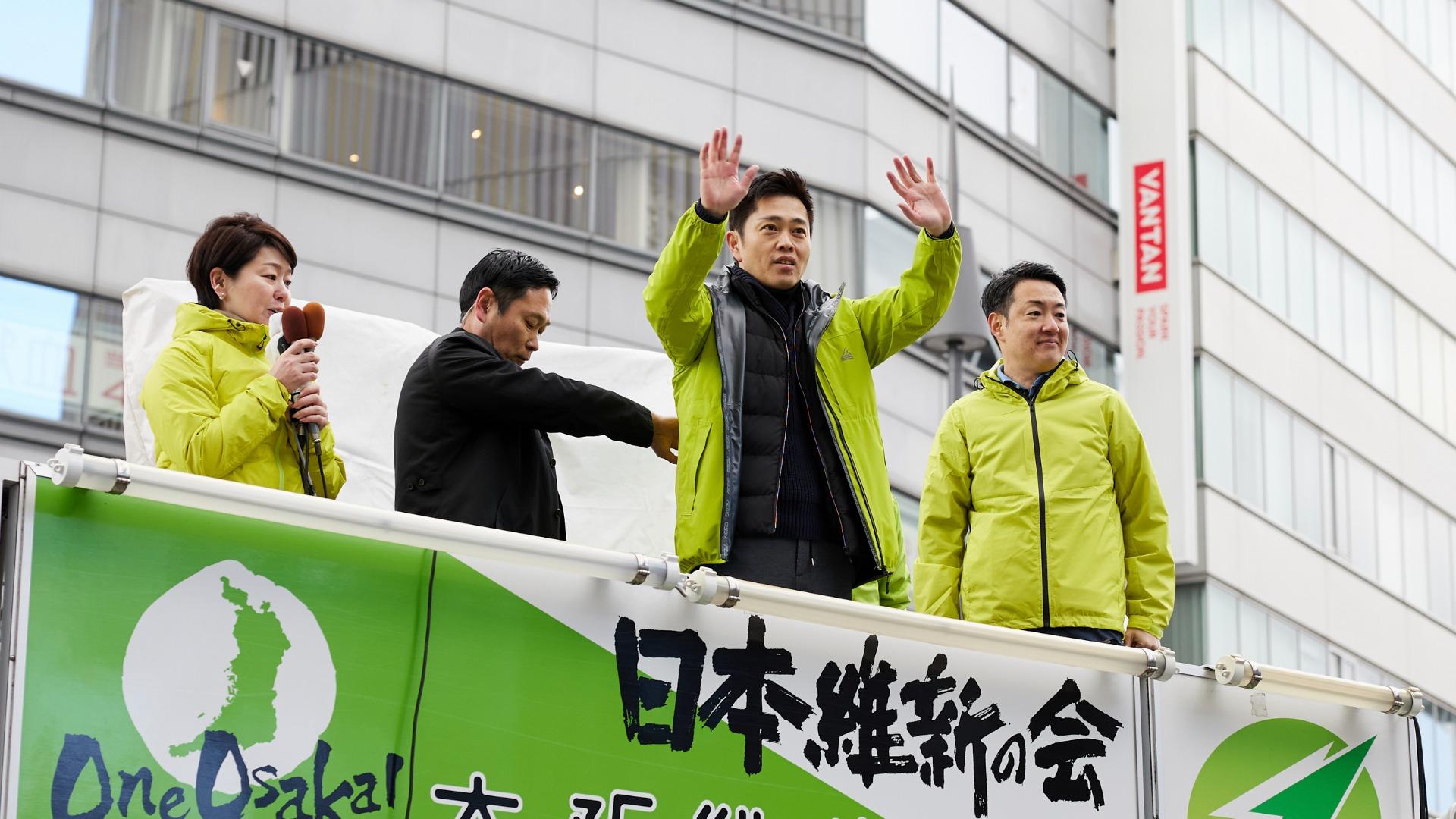
In an ongoing policy debate in Japan, there's a clash over two contrasting city models: the "Metropolitan Concept" and "Secondary Capital." Both models aim to deal with urban congestion and imbalanced resource distribution, but propose different solutions. The "Metropolitan Concept" endorses further developing Tokyo, while its counter-argument, "Secondary Capital," promotes creation of a supplementary main city to share the governance and economic pressures currently concentrated in the capital.
Japan's concentration of power and resources in Tokyo has long been a subject of internal debate. This configuration can lead to imbalanced development, overpopulation, and pressure on the city's infrastructure. The concept of a "Secondary Capital" has gained traction among those advocating for decentralisation as a way to distribute resources more evenly across the country. Opponents, favouring the "Metropolitan Concept," argue that further developing Tokyo will ensure it remains a competitive global city.
In the U.S and EU, efforts to decentralise power and resources are typically less radical — rather than advocating for a secondary capital, they tend to focus on empowering local government and boosting development in smaller cities. Cases such as Germany’s capital move from Bonn to Berlin in the post-reunification era indicate that such shifts are complex and require extensive planning and societal consensus.