
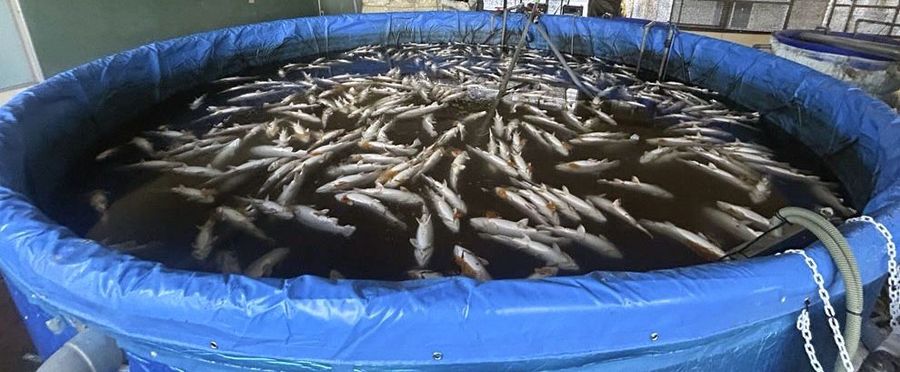
A domino effect of an earthquake led to a blackout, causing devastation in an unexpected place: a classroom salmon hatchery in Japan. The loss of power led to the inability to regulate temperature, effectively ending the salmon's life cycle in the controlled environment. This impacts, not only the local procedures related to salmon hatching but also the broader eco-system. It remains uncertain when and how the hatchery will recover.
In Japan, where natural disasters are relatively commonplace, every corner of Japanese society is prepared, from individual homes to industries. Aquacultures like the one in this story are key to both the economy and the country's dietary patterns. They are typically well-protected but can still fall foul of nature's unpredictability. The loss of these salmon resonates with the society's deep respect and connection to nature and showcases the vulnerability that even preparedness cannot evade.
In the US and EU, protection against natural disasters also extends to vital industries and food sources, like the fishing industry. However, the impact of a disaster in these regions would cause different disruptions depending on local practices. In contrast to Japan, the hatchery-services in these regions might not extend to educational environments, meaning the impact on community education around nature and aquaculture could be less in the case of such a mishap.