
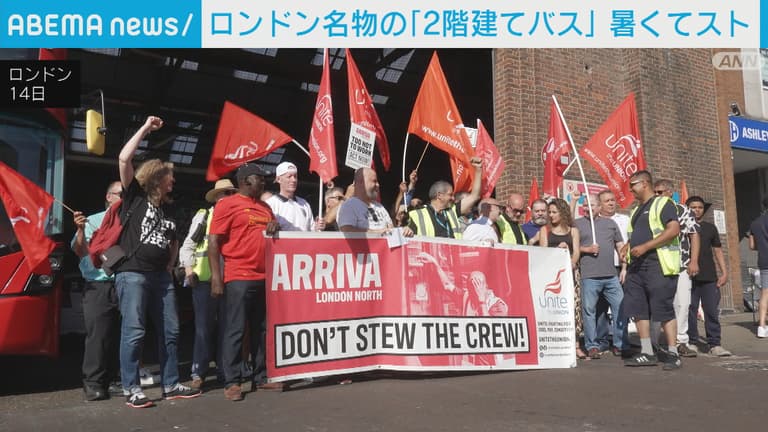
A British double-decker serving as a city bus in Japan came to a sudden halt when the driver could no longer tolerate the scorching summer temperatures. This incident occurred amidst an intense heatwave sweeping across the country, raising concerns for the health and safety of public transport employees. While no physical harm was reported, this incident has ignited a nationwide conversation about appropriate working conditions and preventive measures during extreme weather situations.
Japan is known for its efficient but often packed public transportation systems. When extreme weather conditions emerge, such as heatwaves, it affects the well-being of drivers and other public transportation professionals who spend long hours in vehicles. The incident, in this case, reflects ongoing concerns about working conditions and the need for adaptations and safeguards in extraordinary weather situations. Japanese people value their public transportation and its operators, so general sentiment leans towards prompt resolutions and changes to mitigate similar happenings in the future.
In the U.S. or E.U., similar issues have arisen during extreme weather conditions. Most regions employ measures such as air-conditioned buses or regulated temperature norms inside buses to ensure the well-being of the drivers and passengers. Extreme occurrences often lead to adjustments in schedules or adding additional resources to maintain the functioning of public transportation.