
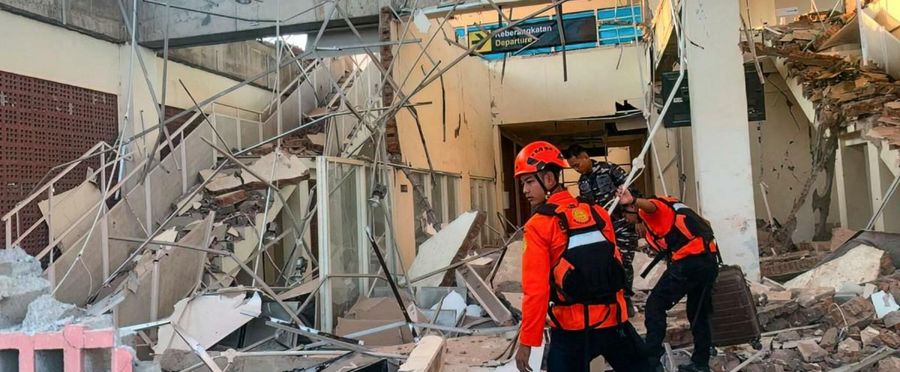
An earthquake recently struck Eastern Indonesia, tragically resulting in the death of 20 people. Indonesian authorities are in the process of assessing the damage and initiating relief measures. The natural disaster has also drawn international attention with neighboring countries like Japan extending their support to Indonesia in this distressing time.
Japan, being in the Pacific Ring of Fire, is no stranger to earthquakes and its devastating effects. Thus, Japan empathizes deeply with Indonesia's situation and is prepared to extend relief and aid. This incident is a prompt reminder of Japan’s seismic vulnerability which is a major concern for the Japanese public. Japan's strict building codes and disaster response systems are often held as a global standard.
In the U.S. or EU, the response to such natural disasters is also immediate and comprehensive. This might involve rescue operations, relief aid, and rebuilding efforts, all funded and supported by the government. Public contribution and international aid also play a significant role. The main difference lies in the area of prevention and preparedness; while Japan has a high level of preparedness due to its geographic location, the U.S. and the EU may not face the same level of seismic risk and have different focuses.