
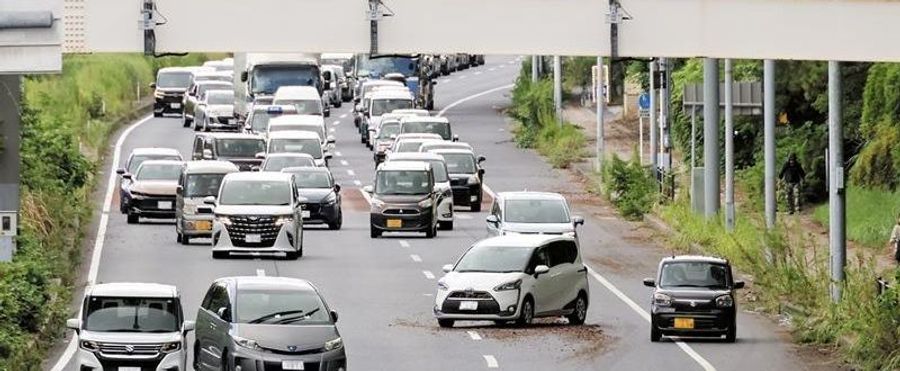
Severe rainfall in Chiba, Japan, resulted in over 1200 unattended vehicles presumably due to flash floods. Disaster management authorities are spearheading efforts to address the situation and mitigate further impact. The weather anomaly occurred recently, triggering havoc across the beleaguered prefecture. The reason for such an extreme weather event is yet to be determined.
As an island nation, Japan faces a variety of natural disasters such as earthquakes, typhoons, and heavy rain. For the citizens, preparedness for these unpredictable events is a part of everyday life. When disaster strikes, it is common for Japanese people to care deeply about the impact on their community and participate in cleanup efforts. The social value of communal harmony and resilience is very much apparent in these situations.
In the US or EU, severe weather and corresponding disaster response varies significantly by region due to differing geographical vulnerabilities. In both Japan and Western countries, the major focus is on rapid response, minimizing casualties, and the speedy restoration of infrastructure. However, the density of urban development and the style of construction in Japan can often exacerbate the impact of such disasters and hence requires unique solutions and planning.