
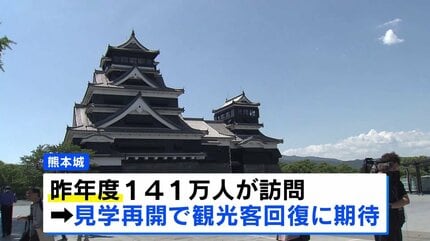
Today marks the much-anticipated reopening of Kumamoto Castle, a treasured Japanese cultural site, several years after suffering significant damage from earthquakes. The castle, which holds historical significance in Japan, has undergone extensive restoration works to repair the damage incurred. This reopening is a testament to the resilience and determination of the city of Kumamoto and Japan as a whole, standing as a symbol of hope and restoration.
Kumamoto Castle is one of the most important cultural heritage sites in Japan, attracting millions of visitors each year. Its closure due to earthquake damage was deeply felt nationwide, with efforts to restore the castle highly publicized and involving significant nationwide support. The reopening is seen as a symbol of Japan's resilience in the face of natural disasters, a sentiment rooted in the country's history with earthquakes.
In the US or EU, similar efforts would be made to restore significant cultural or historical landmarks affected by disasters. The Notre-Dame Cathedral fire in Paris and its subsequent ongoing restoration is a key example of this. The sense of national pride and identity that these landmarks hold is universal.