
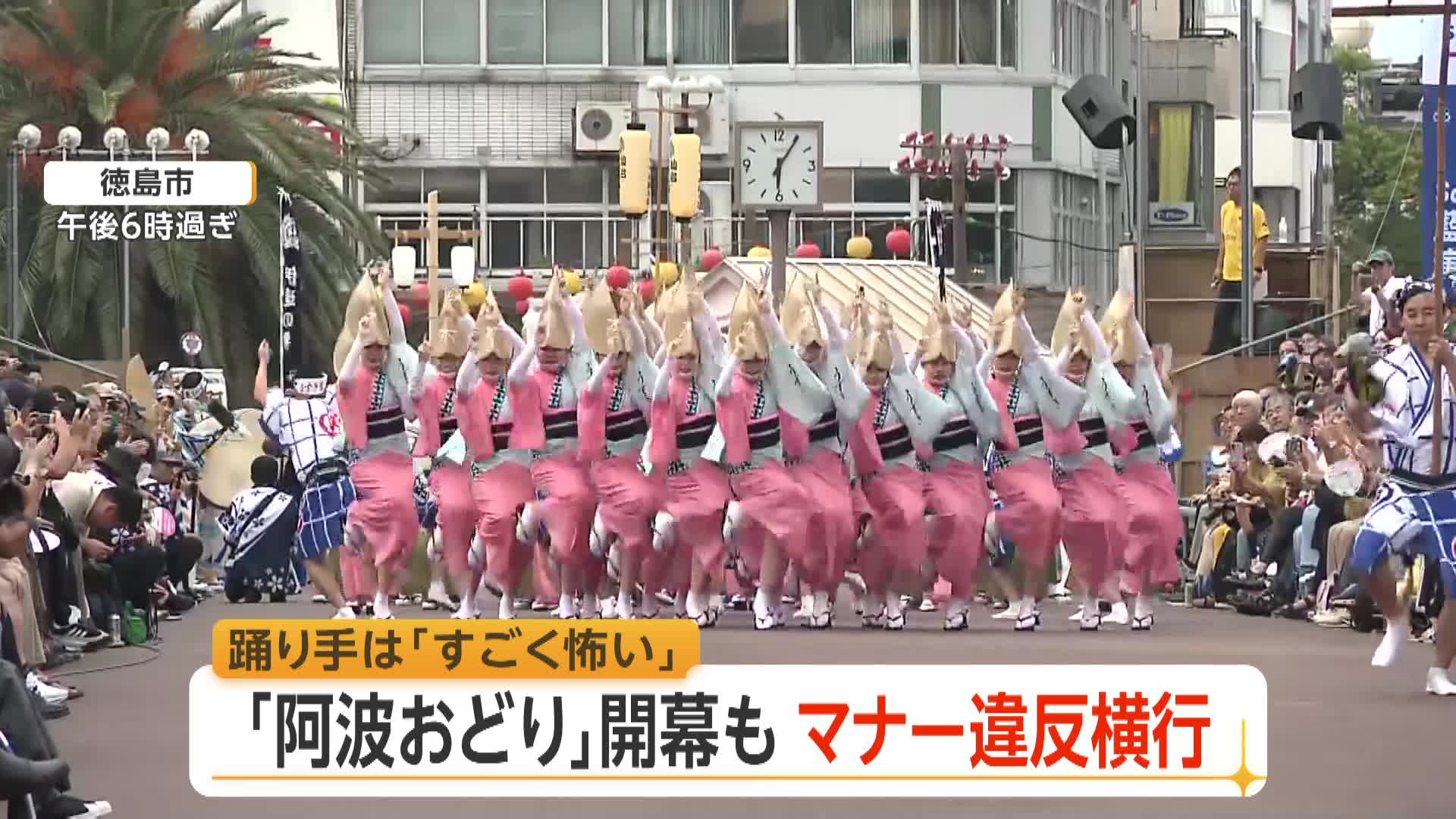
Online platforms are seeing a surge in videos featuring Japan's traditional Awa Odori dance being allegedly sexualized, raising cultural and ethical concerns in the community. Amid widespread anxiety, critics emphasise the need to respect and preserve the authentic representation and significance of this cultural symbol. While some argue that a liberal interpretation of traditional dance can express individuality, many fear it blurs the line between cultural appreciation and inappropriate depiction.
The Awa Odori is a highly respected tradition in Japan with roots dating back over 400 years. It's not just about dance—it also carries cultural significance, history, and regional pride. As such, many Japanese citizens feel any potential misuse jeopardizes the national heritage. This happening comes amid a broader national conversation in Japan on the protection of their cultural icons in the digital age.
The issue is akin to controversies in Western countries over the misuse of cultural and historical icons or traditions. Just like disagreements over the Washington Redskins' logo in the U.S or the Black Pete tradition in the Netherlands, it represents the conflict between preservation of cultural heritage and modern interpretations or potentially disrespectful appropriations.