
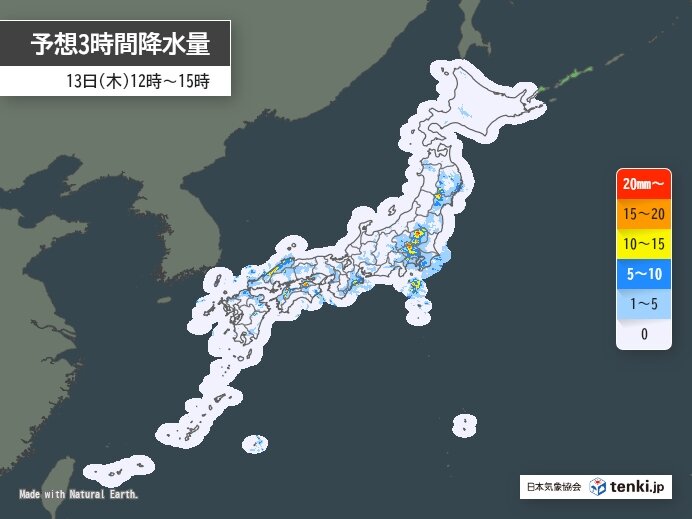
Significant weather changes are sweeping from the Tohoku region in northeastern Japan to the Kinki region in west-central Japan, with sudden, heavy rains and lightning strikes being the major concern. The Japan Meteorological Agency urges locals and visitors to stay updated on the situation and proceed with extreme caution. Typical precautions may include remaining indoors, keeping a constant check on the changing weather, and maintaining open lines of communication for emergency aid.
In Japan, weather reports have utmost importance and are taken very seriously due to the country's susceptibility to natural disasters such as earthquakes, tsunami, typhoons, and floods. The Japanese community is culture-oriented towards safety and preparedness, and the legal framework includes early warning systems and stringent construction codes focusing on resilience.
Like Japan, countries in the US and EU also lay a significant focus on weather updates and disaster preparedness. The differences might lie in the type and frequency of weather phenomena, with tornadoes or snowstorms being more common in parts of the US, and flooding or heatwaves more prevalent in certain EU regions.