
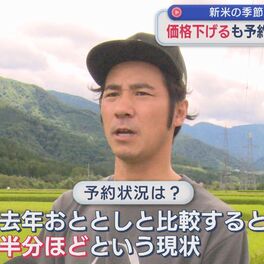
As the annual rice harvesting season commences in Japan, there is a burgeoning issue of warehouses brimming with surplus from past harvests. This accumulation of aged rice becomes a challenge to manage with fresh yields coming in. Local farmers, rice millers, and the government face the dilemma of handling the equilibrium between distribution, storage, and constant production to prevent unnecessary waste.
Rice holds a significant place in Japanese culture and economy, both as a dietary staple and a traditional symbol of prosperity. An abundance of unsold aged rice points to potential inefficiencies in distribution and storage methods, which raises economic and food sustainability concerns. The public is often interested in these developments and implications for prices and the environment.
In the US or EU, overproduction of crops like corn and wheat can lead to similar issues. However, solutions can widely vary, with market forces, government policies, or agricultural practices playing different roles. While in Japan, this situation might lead to lower rice prices, in the West it could result in increased exports or use of surplus for animal feed or biofuels.