
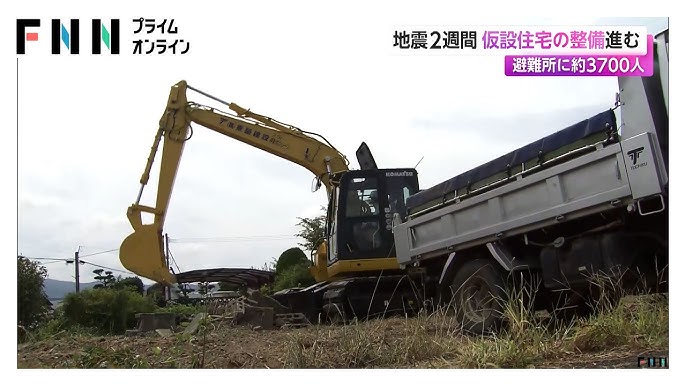
Two weeks after the devastating earthquake in Kumamoto, Japan, construction of makeshift houses is notably speeding up. These temporary structures are designed to offer immediate shelter to affected families who lost their homes due to the natural disaster. The quick response underlines Japan's resilience and efficient disaster recovery measures, despite battling against the clock and the elements.
In Japan, the quick establishment of temporary housing post-natural disasters is crucial, as many citizens lose their homes to earthquakes, typhoons, and other events. This mirrors the societal importance of mutual aid and the rapid response of the government and relief organizations. Providing shelter and restoring stability in the lives of the affected individuals post-disaster is a priority that resonates with Japanese values of community solidarity and effective governance.
Different to the U.S or E.U, where natural disasters may also occur but the types may vary, Japan consistently faces earthquakes. While shelters and temporary housing are common solutions worldwide, Japan is distinct in its swiftness and the structural engineering against multiple seismic activities. Their particular promptness in managing the aftermath may be attributed to high seismic activity and the learned necessity for organized, efficient response.