
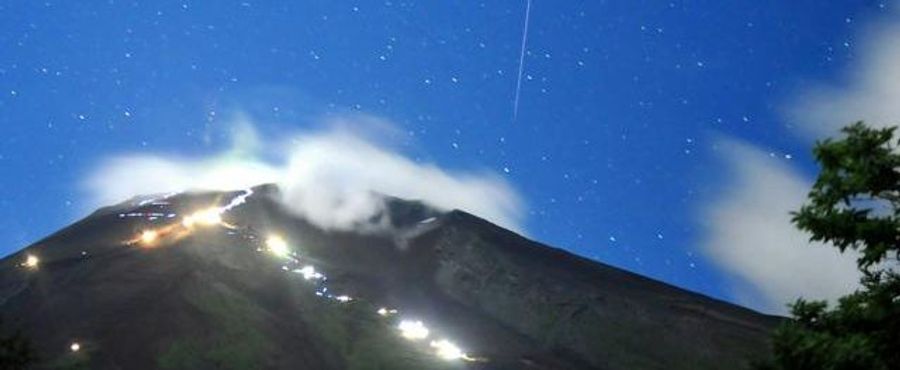
Recent incidents at Mount Fuji, Japan's iconic peak, have revealed a peculiar trend: the majority of fatalities on the mountain are male. No clear reason has emerged for this gender bias, sparking heated debate and investigation among experts and the wider community. Public safety officials and mountain rescue teams continue to urge all climbers, regardless of gender, to exercise caution while hiking, as Mount Fuji can be a challenging and unpredictable environment.
Mount Fuji holds immense cultural significance in Japan, making this story broadly impactful. Many Japanese avidly follow news related to the mountain and concerns about climber safety resonate deeply. Social values of respect towards nature, personal responsibility, and stoicism during adversity could be factors in why male climbers may be at higher risk, prompting discussions about gender roles, societal expectations, and safety precautions.
In the US, outdoor tragedies tend to focus on issues of individual risk-taking and park infrastructure. Preparedness is highly touted, as is clear communication about the risks associated with various outdoor activities. However, gender discrepancies in wilderness fatalities are not typically highlighted, although overall statistics may lean towards male fatalities due to engagement in riskier behavior.