
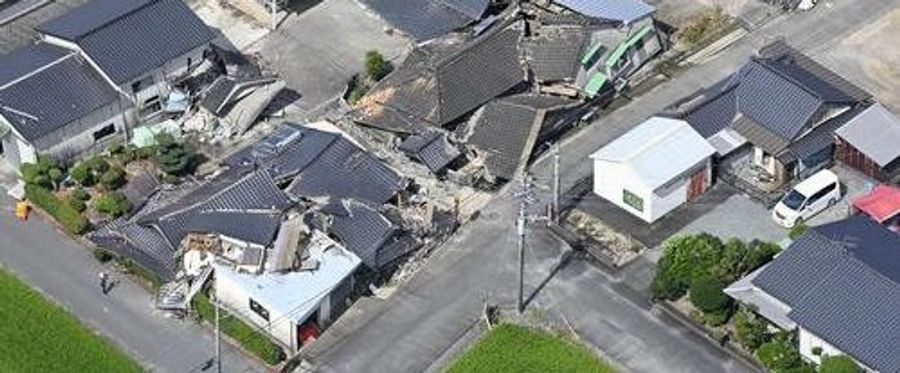
Two weeks post the destructive Kumamoto earthquake, around 6,000 people are still resorting to living in temporary evacuation centers. Despite the stark conditions and the enduring hardship, the survivor's spirit remains unbroken. As relief efforts continue, focus is gradually shifting from crisis management toward long-term recovery and rebuilding strategies.
Japan is frequently affected by earthquakes, making disaster preparedness and management an integral part of society. People typically care most about the response speed of rescue services, availability of food, water, and shelter, and plans for long-term resettlement or reconstruction. The public and government value commitment to collective safety, resilience, and efficient planning and execution of recovery efforts.
In contrast to the US or EU, Japan tends to have more frequent and severe earthquake experiences, leading to a highly efficient disaster management system. Immediate response, community-oriented evacuation, and resilience are commonly-praised aspects. Unlike some other countries, the government often takes a more active role in managing natural disasters and their aftermath in Japan.