
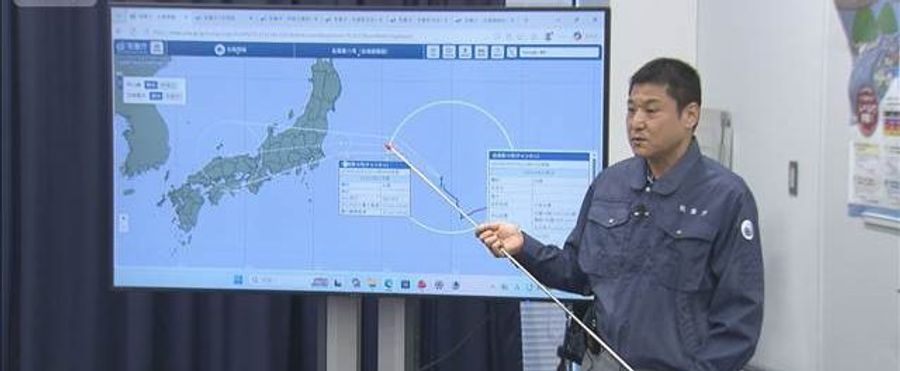
A typhoon warning has been issued in Japan, with predictions of heavy rains and winds causing significant turmoil to the country's transportation infrastructure. Commuters are being warned to stay vigilant and pay close attention to any updates in weather conditions and possible disruptions to public and private transport. The authorities have yet to disclose the severity of the storm or detail the specific areas most likely to be affected.
Japan frequently experiences extreme weather, including typhoons and earthquakes. As such, the country has developed strong protocols for dealing with such crises. News of a typhoon often leads to swift preparations, with emphasis on the safety of the public and minimizing disruptions to daily life where possible. The values of preparedness, safety, and collective responsibility are often highlighted in these situations.
Japan's response to environmental disasters can be compared to how the US deals with hurricanes. Both involve advanced warning systems, clear communication to the public, and emphasis on individual and community preparedness, although Japan's frequency of such incidents often necessitates a routine and systematic approach. The EU has far fewer incidents of this type of extreme weather, but follows a similar protocol when they do occur.