
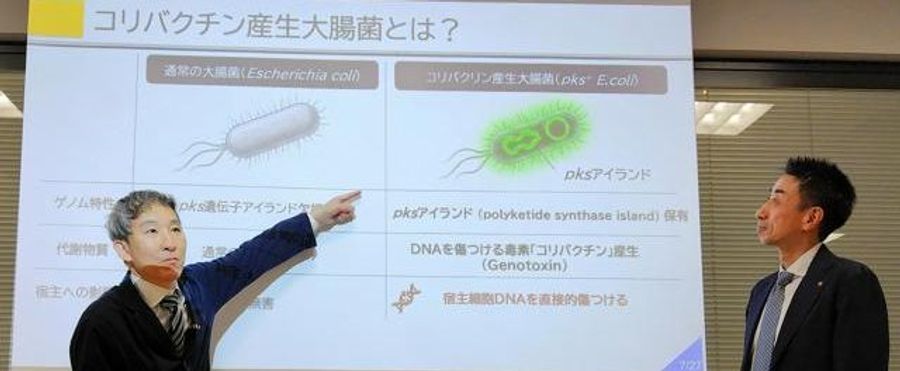
Japanese researchers have discovered a significant correlation between certain gut bacteria and the development of colorectal cancer. The study reveals that a specific type of intestinal bacteria, which is capable of producing toxins, is involved in the progression of colon cancer. These findings can possibly facilitate earlier detection and better treatment strategies for this common yet lethal disease.
As Japan's population age, the incidence of colon cancer continues to rise, becoming a critical public health issue. Japanese society places much importance on health issues and preventive measures, and this research is likely to trigger discussions about personalized diet, lifestyle changes, and potential screening programs.
Similar studies are also conducted in the US/EU. However, the guts' bacterial composition can significantly vary according to dietary habits and lifestyle factors, which is why the findings in Japan might not precisely reflect the situation in Western countries. Hence, localized research is required to tailor preventive measures effectively.