
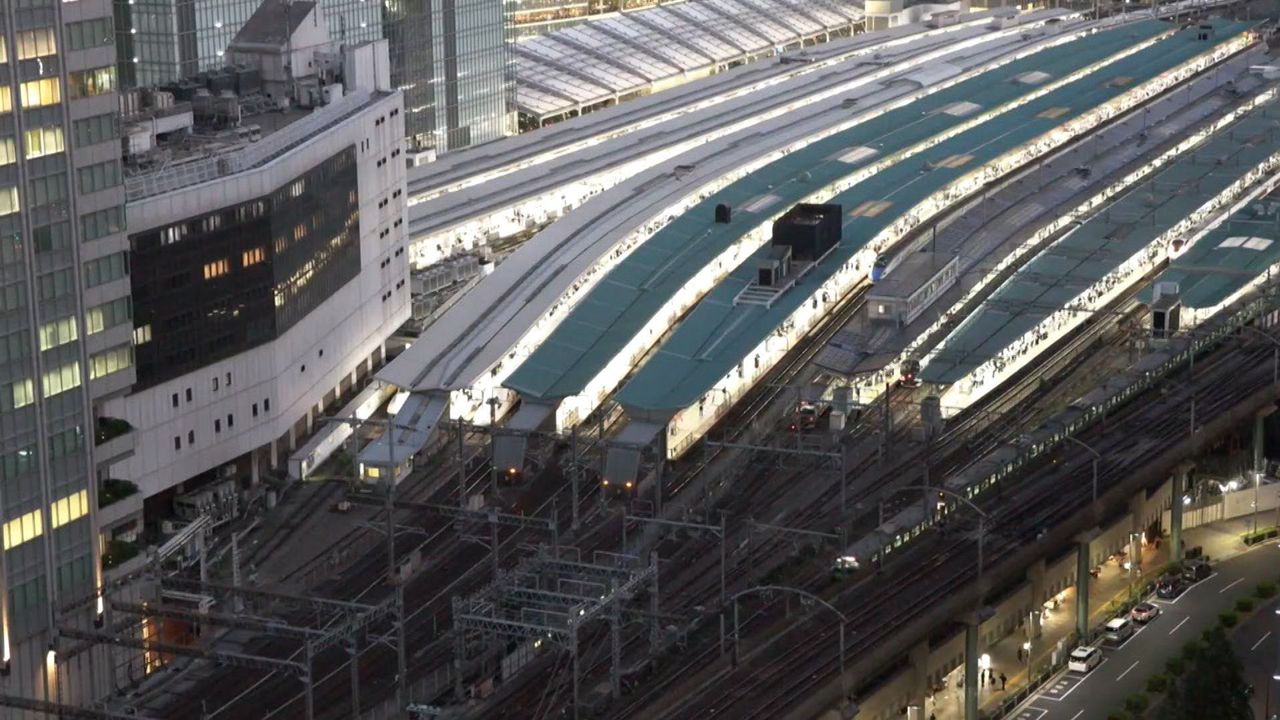
Japan's Northeast Shinkanzen, or bullet train, is expected to face significant delays or possible suspensions due to an incoming typhoon. The exact magnitude of these disruptions, both in timing and extent, is unknown at this stage. As seasonal typhoons are not unusual in Japan, contingency plans are being put in place. However, passengers are recommended to monitor updates closely and consider alternative arrangements if necessary.
Typhoons are a regular occurrence in Japan and can cause significant disruptions to the transportation system, especially the Shinkansen, which forms the backbone of the country's public transportation. Consequently, Japan's efficient and detailed disaster management has evolved over years, ensuring minimal damage and maintaining safety. The news garners high interest due to its impact on people's daily life, stressing the importance of timely information and appropriate actions.
Much like the snowstorms or hurricanes in the US, natural events causing transport disruptions are taken very seriously. The focus is on ensuring that disruptions are minimized, people are kept safe, and normal services are resumed as soon as possible. Citizen preparedness, government response, and infrastructure resilience are stressed in both regions to handle these events.