
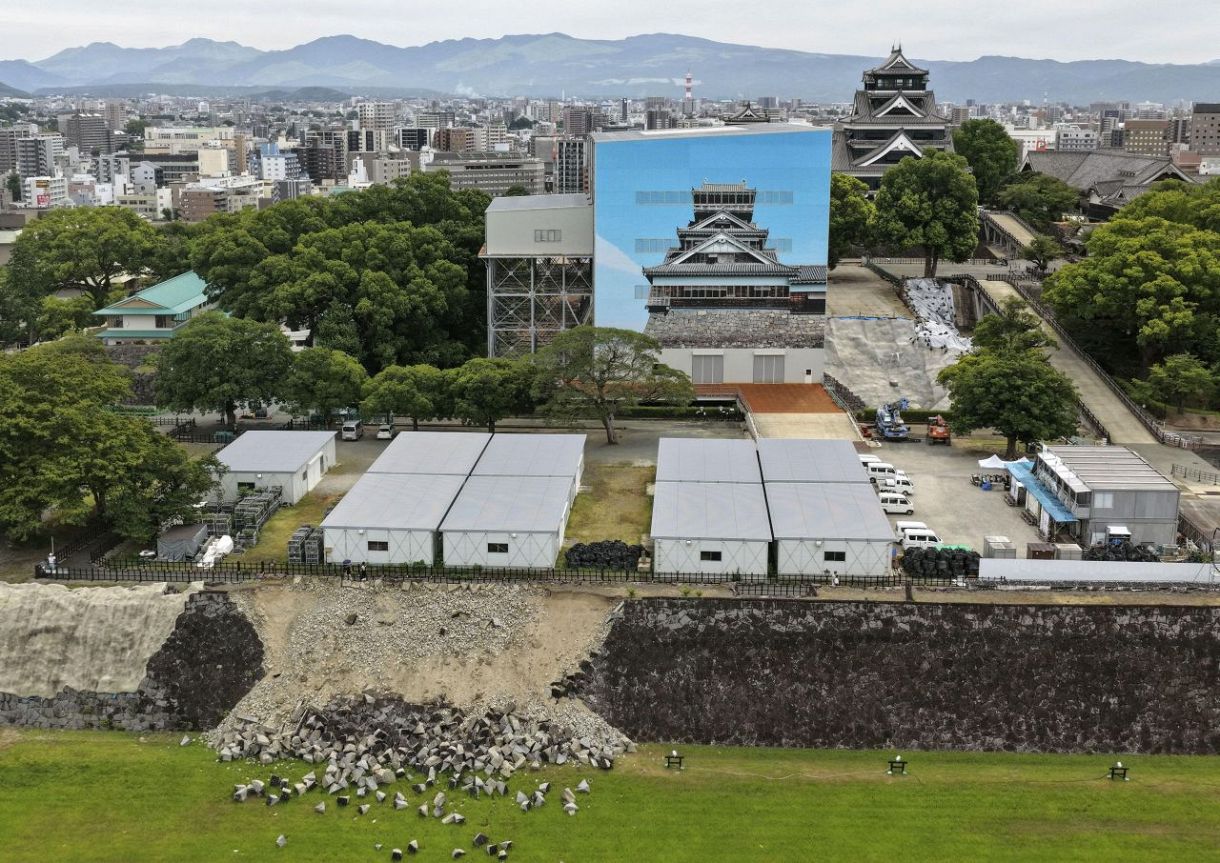
On the 13th, the doors of Kumamoto Castle, a cultural emblem for Japan and testament to the nation's resilience, will be reopened. This is a significant milestone following extensive restoration works after severe earthquake damage. The castle's reopening not only carries historic and cultural importance, but it symbolizes a step forward in recovery, injecting hope and resilience into the community.
Castles are significant symbols of Japan's cultural heritage and history. The reopening of Kumamoto Castle, one of the finest examples of these historical structures, is regarded as reinforcement of Japan's resilience and national identity. It signifies the country's ability to rebuild and recover from devastating calamities, enhancing community morale and serving as a beacon for tourism, which feeds the local economy.
Not unlike the restoration of Notre Dame Cathedral in France, the reopening of Kumamoto Castle represents a triumph over adversity. It signifies the importance of preserving historical landmarks that underscore national identity and cultural pride. It also reinforces the drive towards recovery and the emphasis on community morale, imperative to both European and U.S communities following natural disasters.