
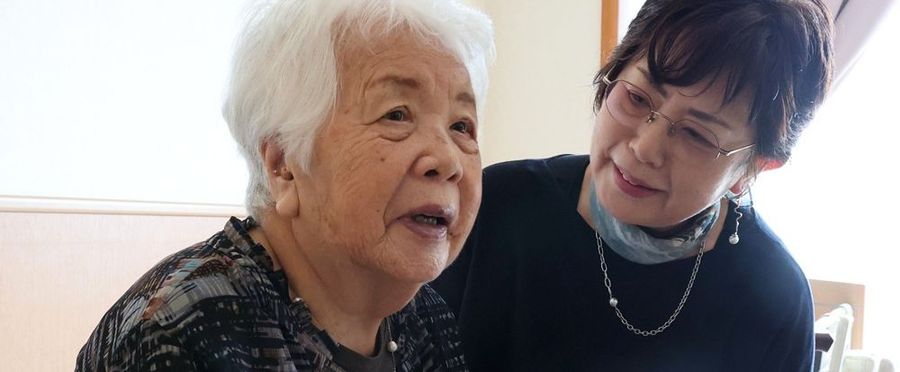
As Japan commences the annual memorial services to commemorate the Hiroshima bombing anniversary, a 97-year old survivor steps forward to share his direct experiences and insights from the historic event. The elderly man candidly recounts the occurrence, appealing to younger generations not to forget the horrors of war, and the importance of peace. His narrative becomes ever more valuable as the living population of atomic bomb survivors, known as hibakusha, steadily declines.
Japan's engagement with the memory of World War II, especially the atomic bombings of Hiroshima and Nagasaki, is a sensitive issue. Many people view the preservation of direct testimonies from hibakusha as a crucial part of anti-war education and the culture of peace in the country. Nonetheless, there is also a political discourse surrounding the interpretation of Japan's war history and its portrayal domestically and internationally.
In the US or EU, survivors' accounts of major historic events similarly play an essential role in educational curricula and public discourse. However, the perspective and reception often vary, reflecting diverse historical experiences. The narrative of atomic bomb survivors, especially, might be received differently due to the US's role as the perpetrator of the atomic bombings.