
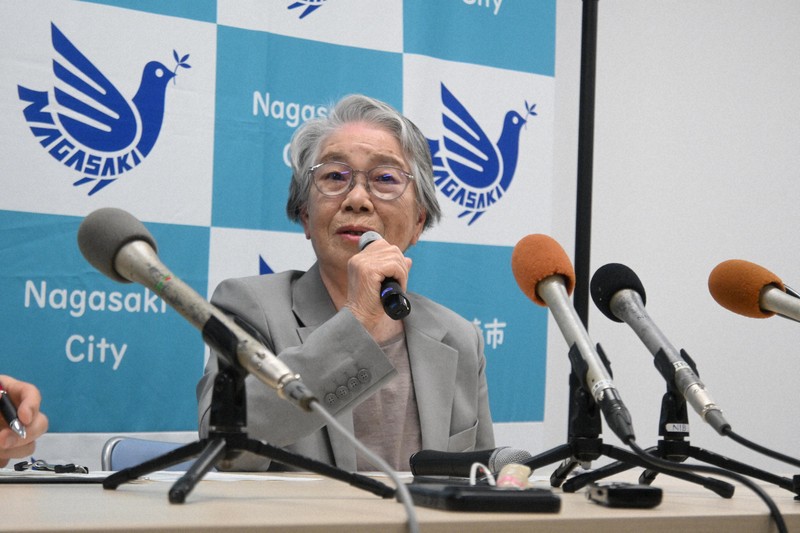
On the annual commemoration of the Nagasaki atomic bombing, the representative of the survivors renewed their vow to promote peace and denuclearization. During the ceremony, which takes place every year on the exact day of the bombing, a moment of silence was observed, tributes were paid to the victims, and the survivor's commitment to ensuring such a tragedy is never repeated was reiterated.
The atomic bombings that ended WWII are defining events in Japanese history, affecting their view on warfare and nuclear weapons. For Japanese people, these annual remembrance ceremonies are crucial not just to mourn those lost, but also to reflect upon the severity of atomic warfare and advocate for a nuclear-free world. It's both a historical event and a social cause.
In the United States and EU, commemorations of WWII tragedies also occur, but the tone may differ given the differing experiences and roles during the war. The Japanese focus on advocating peace in the wake of catastrophic loss is highly valued and often mirrored in events commemorating the Holocaust or other war-related tragedies.