
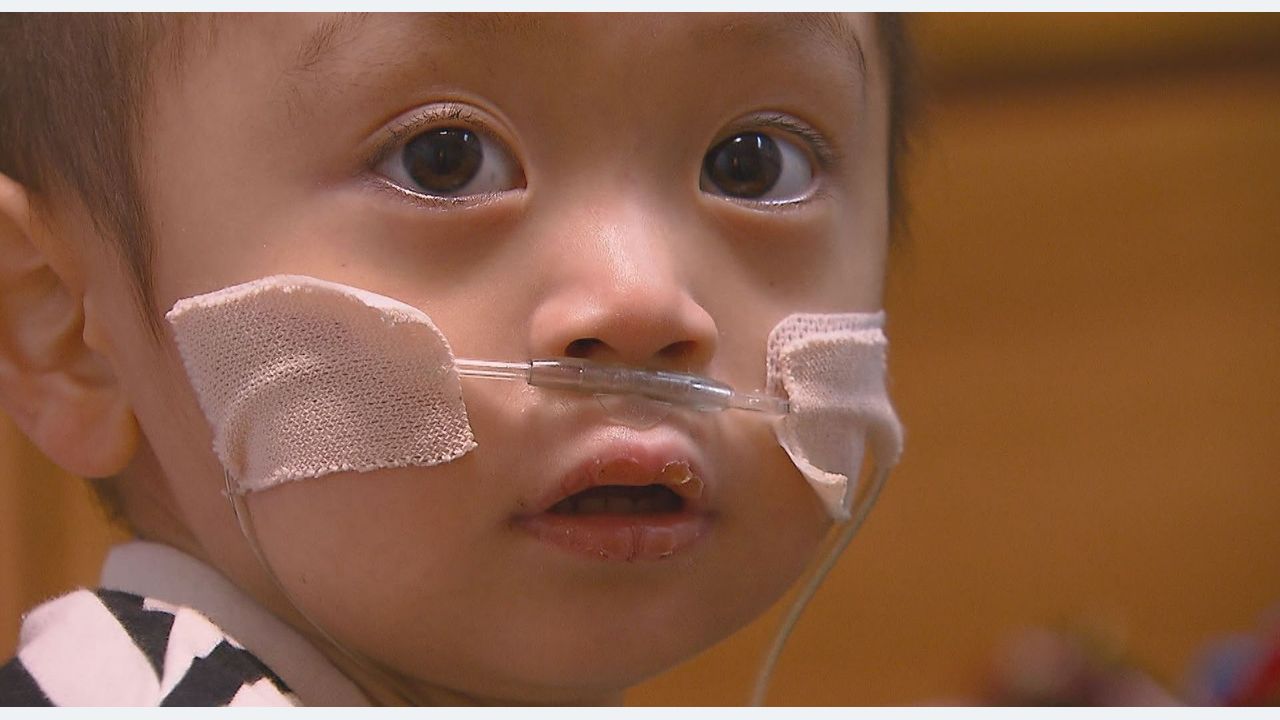
A two-year-old child in Japan has been diagnosed with a form of cancer that could potentially be treated with a promising new drug. The catch? The medicine sets the family back ¥55 million ($500,000). The story highlights the high costs associated with healthcare, particularly innovative treatments, sparking concerns over healthcare affordability amid increasing instances of critical diseases among adults and children.
In Japan, with universal healthcare, while a majority of medical costs are covered, certain advanced treatments like newer cancer drugs are often not covered or are only partially covered by insurance. The story raises fundamental questions about healthcare equality and affordability in Japan.
Unlike Japan, the US does not have universal healthcare, and high drug prices often make news. However, there are mechanisms such as insurance, aid funds, and even charity drives to help offset these costs. In the EU, where healthcare is publicly funded, such high costs for prescriptions are virtually unheard of, as EU regulations work to cap the costs of medications.