
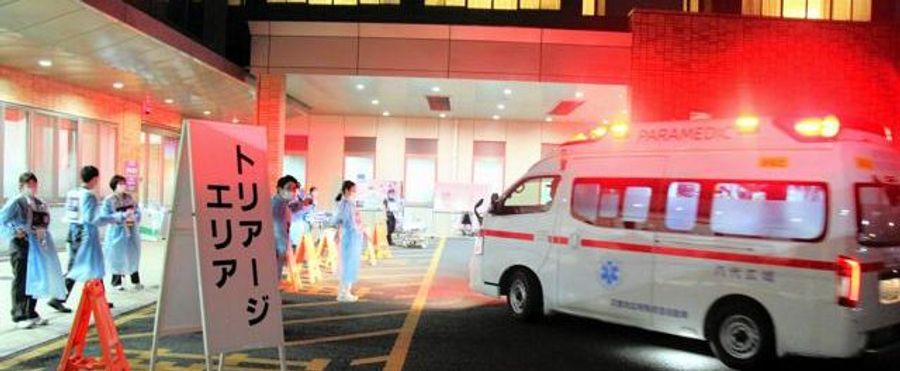
The city of Kumamoto, heavily affected by an earthquake in 2016, yet again proved its resilience by implementing lessons learned during the last seismic event. The Kumamoto branch of the Japanese Red Cross played a significant role in this effort. The organization swiftly utilized their experience and know-how to manage the aftermath of the recent earthquake, particularly in terms of disaster response and assistance to affected individuals.
In Japan, earthquake readiness is a critical element of society given the country's position in a seismic hot spot. The actions of organizations such as the Red Cross are often scrutinized and their effectiveness measures have direct impacts on the people. Lives saved or lost during earthquakes often spark national conversations about disaster preparedness and infrastructure resilience.
In areas of the US and Europe prone to natural disasters, such as the Pacific Northwest or Italy, similar measures are taken, but Japan's frequency of earthquakes often puts it at the forefront of advancements in disaster response. The Red Cross, similarly vital in these Western areas, may have different strategies due to cultural and infrastructural differences.