
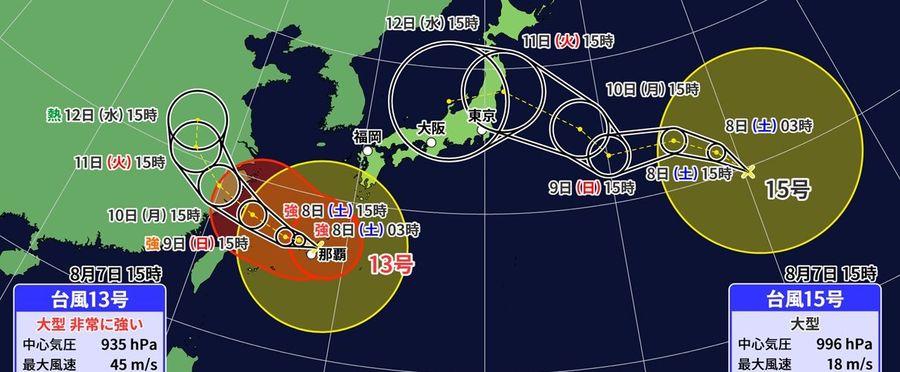
A typhoon continues to menace the Japanese islands of Okinawa and Amami, bringing with it fears of continued heavy rain and wind storms. Residents have been advised to stay alert for potential landslides and flooding. The threat level remains high as meteorologists have yet to confirm when the storm will move away from these areas, creating a collateral impact on transportation and daily life routines.
Typhoons are a common occurrence in Japan, especially during late summer and early autumn causing disruptions in daily life, infrastructure and sometimes leading to casualties. Japanese society is well-prepared for typhoons; from disaster management systems, accurate weather forecasting, to individual preparedness. Nonetheless, the relentless nature of these storms serves as a reminder of Japan's vulnerability to natural disasters.
Like Japan, countries in the US and EU have their share of weather-related disasters. However, while there are standardized procedures in places like the United States to address hurricanes (such as evacuations and hurricane-proof building regulations), responses vary throughout Europe due to its diverse geography and climate. Notably, Japan's preparation and approach toward typhoons are often regarded as exemplary.