
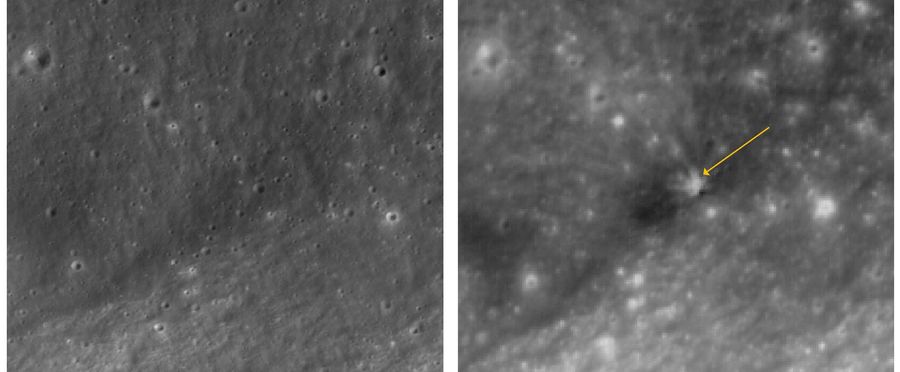
Japan's space agencies have released astounding images of the crash site of lunar rocket debris, marking a crucial breakthrough in lunar exploration. As part of their ceaseless voyage into understanding the Moon's geological structure, this vivid pictorial data not only signifies the aftermath of a rocket crash but also may provide substantial knowledge about lunar surface and its composition. Images were captured and shared recently, unveiling unexpected features on the moon’s dusty crust.
In Japan, advancements in space technology and lunar explorations are greeted with national pride and enormous interest. This feat of illustrating the lunar surface in high-resolution detail aligns with Japan's continuous push for technological prowess and their commitment to contributing to global understanding of outer space.
Much like the US and the EU, Japan attaches high value to space research and development. These state-of-the-art images of lunar surface mirror the efforts of NASA and the European Space Agency in contributing to a collective exploration of space. The focus on lunar research also aligns with both US's Artemis program and EU’s quest to extend human reach into the cosmos.