
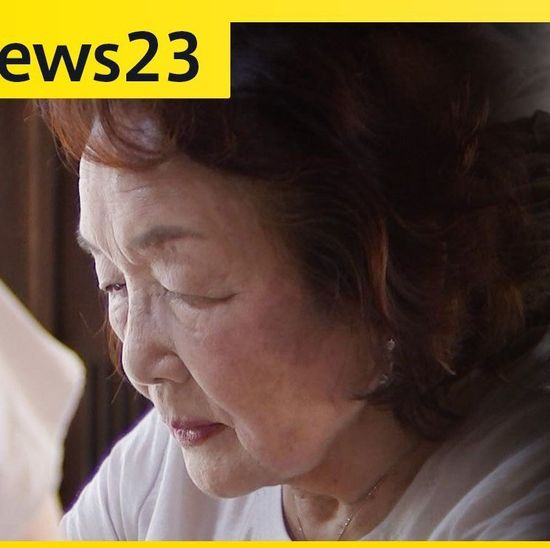
On August 6, the anniversary of the atomic bombing of Hiroshima, an elderly survivor faces the dilemma of whether to attend school or not. This is reflective of a subtle yet powerful controversy that lingers in Japan— the struggle of commemorating a painful history, the Hiroshima and Nagasaki bombings, while promoting routine educational activities. With intense emotions and differing generational perspectives, this issue continues to stir debate in society, focusing on the appropriate ways to remember and educate about this significant event.
In Japan, Hiroshima Day is regarded with a mix of respect, sorrow, and reflection. The country is still affected by the bombings, with survivors known as hibakusha living with the events' physical and emotional consequences. Schools being open on Hiroshima Day is a contentious issue, as some believe it undermines the gravity of the event, while others argue that it is a crucial opportunity for education and remembrance.
In comparison, the U.S and EU have different ways of memorializing tragic historical events. For example, on 9/11 in the U.S, schools and workplaces are not typically closed but incorporate memorial activities into their schedule. Similarly, in the EU, days of remembrance like Holocaust Memorial Day can often involve educational programs in schools.