
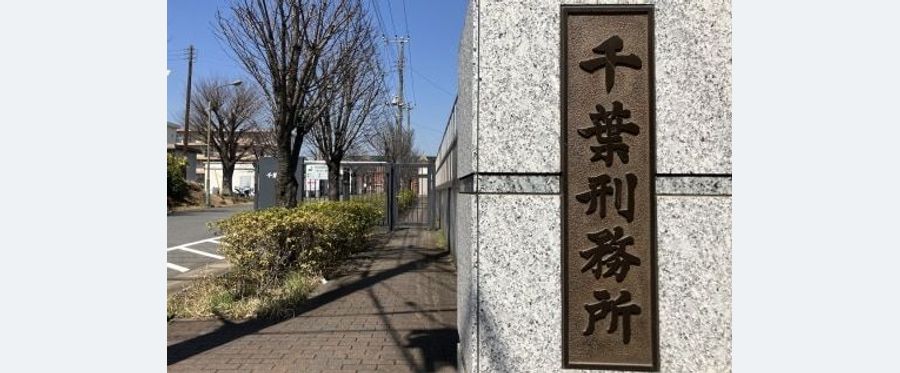
Japan's Ministry of Justice plans to grant parole to four prisoners serving life sentences in 2025, the details of which remain confidential due to privacy concerns. This decision, considered relatively rare in Japan's justice system, signals its commitment to prisoner rehabilitation and reintegration. The criteria for parole passage remain undisclosed, and the response of the public to this decision holds an air of anticipation and speculation.
Parole grants for prisoners serving life terms in Japan are less common compared to other countries. Japan has a legal structure that often emphasizes strict punitive measures. Public sentiment generally supports strict penal policies, though there's an increasing awareness of rehabilitation-centered justice. This news might spark conversations about the effectiveness of lifelong prison sentences, the treatment of prisoners, and the potential for rehabilitation.
In contrast, the US and the EU have more routine parole grants for life-sentenced prisoners. In some US states, good behavior and rehabilitation efforts can lead to parole eligibility before serving a full life term. Similarly, in the EU, there's a strong focus on prisoner rehabilitation and integration, reducing the likelihood of lifelong imprisonment.