
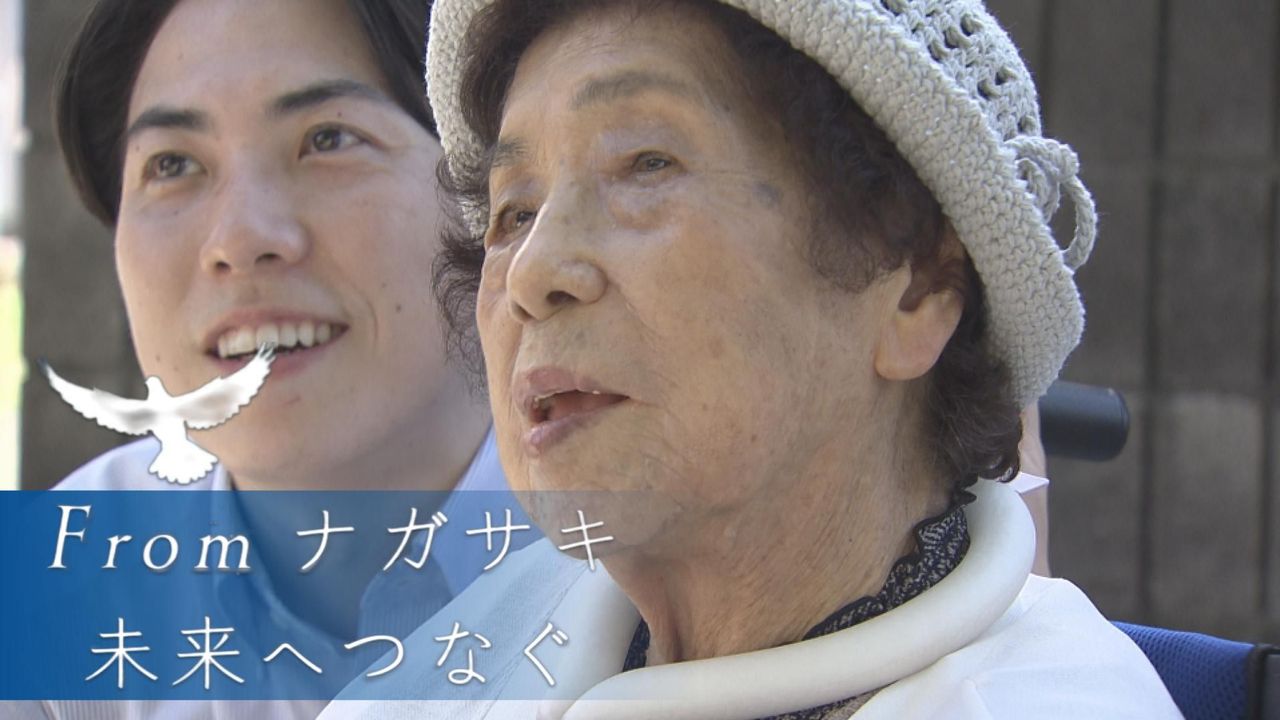
The story revolves around aging Japanese citizens who, years after World War II, learned about the demise of their classmates during the war, and are grappling with a sense of guilt. These feelings were prompted by revelations about the tragic circumstances their peers encountered in the war's aftermath. As these Japanese seniors confront their past, their stories not only illuminate individual pain but also reflect the collective trauma of a nation still healing from the bruising conflict.
In Japan, there is a strong societal respect and remembrance for past events and the individuals affected. Issues surrounding World War II and its aftermath still have a profound impact on many Japanese citizens, particularly those who lived through the period. There is a significant cultural value placed on acknowledging, remembering, and learning from past sufferings, and this news touches upon these aspects.
In comparison, countries such as the US and EU nations also deal with past traumas, but often, there is more focus on public discourse and governmental addresses rather than deep, personal revelations by individuals. The acknowledgment of guilt and grappling with personal legacy is different, as mental health discussions in these regions often encourage sharing of individual stories and professional guidance to handle such emotional traumas.