
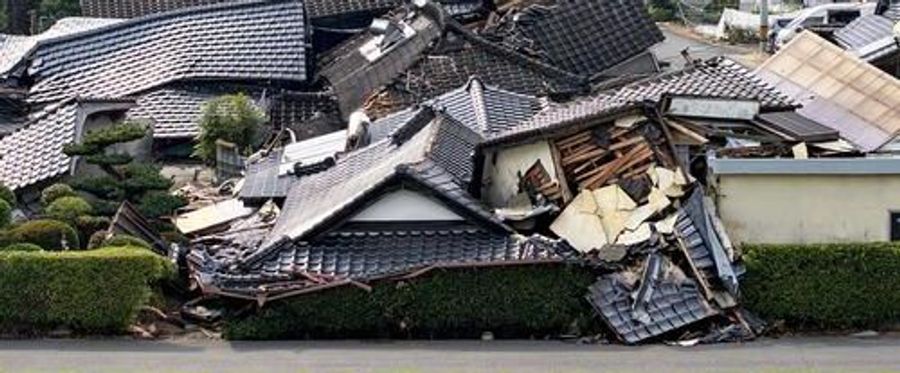
One week after the catastrophic Kumamoto earthquake in Japan, over 7500 people have sought refuge in temporary shelters. The response from national authorities and the local community has been swift and coordinated, ensuring that the basic needs of all affected are met. Despite the continued aftershocks and unsettling circumstances, the spirit of resilience pervades amongst the evacuees.
Earthquakes are not uncommon in Japan due to its location within the Pacific Ring of Fire. Japanese people value preparedness highly, with regular drills conducted in schools, workplaces, and at a community level. In disaster situations, the Japanese value community spirit and mutual aid, leading to high levels of collaboration and cooperation in evacuation centers.
In comparison to the US or EU, Japan places greater emphasis on earthquake preparedness due to the country's high risk. For instance, regular drills and safety procedures are more embedded in public life. Evacuation centers in disaster-stricken areas are also strictly coordinated, often making use of school buildings for shelter; a practice observed in the US, but perhaps less systematically executed.