
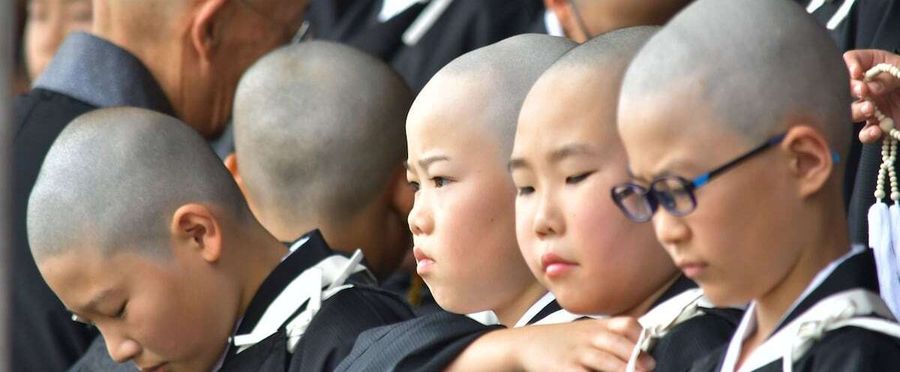
In a fascinating display of age-old tradition, 48 nine-year-old boys and girls recently participated in a ceremony marking their transition into the monkhood in Japan. The ceremony, a significant cultural rite of passage, reinforces the connection between the participants and the core spiritual values of the Buddhist faith. It's a testimony to the continued relevance of religious tradition in contemporary Japanese society.
Becoming a monk, even if temporarily, is a revered tradition in Japan, perceived as a rite of passage and an integral part of the culture. Ordination of children bestows a sense of pride and honour upon the families involved. Most importantly, it cultivates in the young ones the values of discipline and respect towards their heritage, allowing these values to shape the future societal fabric.
Unlike in the US or EU, where religious ceremonies involving children are often confined to rites such as baptisms or confirmations, Japan considers child ordination as a significant cultural milestone. This can be seen as Japan's unique way of instilling early religious and moral education, setting them apart from Western societies.