
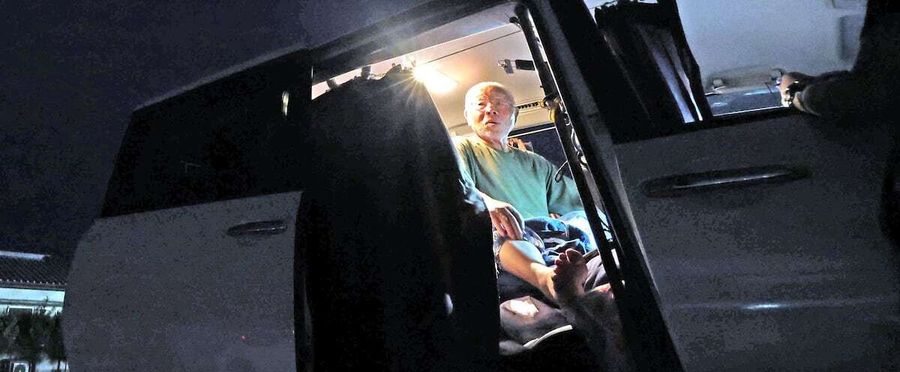
An increasing number of Japanese citizens are facing an unfamiliar reality, living in their vehicles due to economic hardship. The strain is beginning to show, with issues of fatigue, health concerns, and the psychological impact of an uncertain future adding to their burdens. As societal and governmental solutions continue to fall short of providing a remedy, these marginalized individuals continue to search for stability in their makeshift mobile homes.
In Japan, vehicle living has been on the rise due to factors such as job loss, divorce, or debt. While it's not illegal, it's not universally accepted either, stirring up conversations around homelessness, housing rights, and public health. Society is divided between sympathy and apathy, making it a contentious issue in public discourse.
Unlike in the US or the EU where homelessness tends to be addressed through a variety of social services, including subsidized housing programs and shelters, Japan has relatively fewer programs. In contrast, vehicle living in the US and some EU countries is often criminalized or heavily restricted, posing legal challenges for people in such situations.