
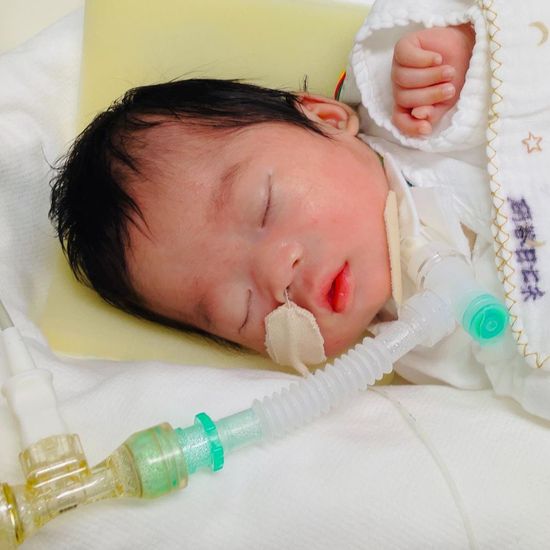
A recent car accident in Japan resulted in a tragedy that extends beyond the immediate victims, affecting an unborn child, thus sparking a nationwide conversation about the need for better laws protecting the rights of the fetus. In the midst of a tragic accident, comes a compelling call to reconsider Japan's existing legal framework as to how fatal accidents impacting unborn children should be treated under the law. The timeline for potential law revisions remains uncertain, yet the incident has intensified public discourse and appears poised to galvanize legal reforms.
In Japan, the incident has provoked strong public interest and sympathy given the cultural emphasis on the sanctity of life and family values. The incident is challenging traditional legal norms where unborn babies are not recognized as individuals. Legal revisions under consideration center around whether compensation ought to be provided for such cases, thus reflecting a broader societal debate about the value of potential life.
Unlike Japan, in many US states and EU countries, there are specific laws that treat unborn children involved in accidents as legal victims. The US and EU have different penalties and compensations depending on the developmental stage of the fetus, and Japan might be considering similar reforms.