
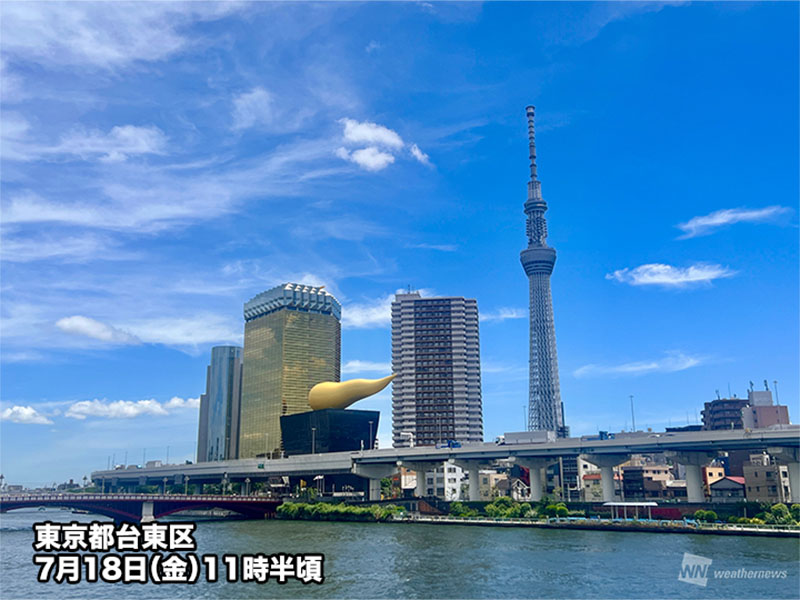
The Japan Meteorological Agency has announced the end of the rainy season, or "tsuyu," in the northern regions of Hokuriku and Tohoku. This marks the official start of summer with residents bracing for soaring temperatures. The early arrival of summer is expected to have both positive and negative impacts, potentially influencing agricultural activities and daily life routines in those regions.
The rainy season, known as 'tsuyu,' is a distinctive weather period in Japan, usually occuring between late May and late July, depending on the region. It is tracked and reported by the Japan Meteorological Agency. The ending of this season is eagerly awaited by many, as it ushers in the warmer summer weather and clearer skies. However, the early end of the rainy season could impact agricultural practices, especially rice cultivation, which relies heavily on adequate rainfall.
Seasonal weather patterns are tracked in a similar manner across the world, though different regions have different key weather periods. In the US or EU, for instance, public anticipation may be more related to the end of winter and the start of spring. The impact on agriculture due to changing weather patterns is a common concern across these regions as well.