
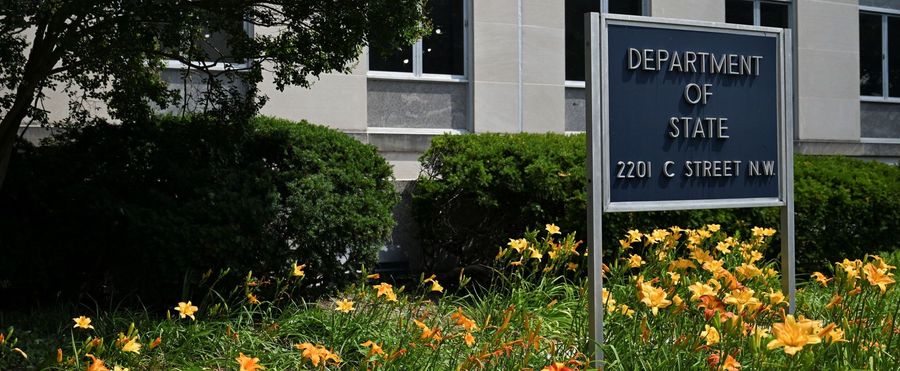
As part of its revised diplomatic operations, the United States intends to shutter its consulate in Nagoya, one of Japan's major city hubs. While specific timelines have not been divulged, this move could potentially impact bilateral relations between the two nations, bringing changes to visa services, consular assistance, and overall diplomatic engagement. It's apparent that this decision is part of a larger global restructuring plan, although its repercussions on local communities and businesses are yet to be seen.
The closure of a foreign consulate, particularly that of a significant ally like the U.S., can be a matter of concern in Japan due to its potential implication on citizens who require consular services and businesses involved in international trade. Many in Japan may see such decisions as a symptom of reduced international commitment, however, the broader context of global consular restructuring may be understood.
In the US or EU, centralization or re-organization of diplomatic posts like consulates are common and often done to streamline operations, cater to budgetary constraints, or align with broader foreign policy objectives. However, such actions are not without controversy, particularly if it is perceived as reducing services or support to specific communities.