
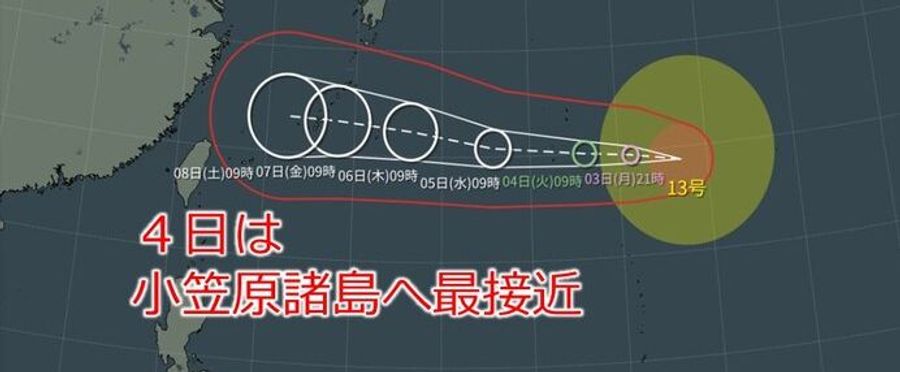
A major typhoon, named Tara, is set to make its closest approach to the Ogasawara Islands in Japan on the 4th of this month. Known for the unpredictability of their paths, typhoons are a common natural disaster in Japan that cause significant damage and disruption. Authorities warn of heavy rainfall, strong winds, and hazardous sea conditions and urge residents to stay alert and take necessary precautions.
Typhoons are a recurring atmospheric threat to Japan, often leaving the country grappling with floods and landslides. People in Japan are highly aware of this and local communities usually prepare themselves well. The Meteorological Agency and other government bodies issue regular forecasts and warnings, and there are strong societal and legal expectations around preparedness, evacuation, and resilience.
Much like the U.S. states on the Atlantic coast that frequently face hurricanes, Japan is well-practiced in their preparation and response to such natural disasters. However, unlike the Atlantic hurricane season which lasts from June to November, the typhoon season in Japan typically stretches from May to October, with peak intensity observed between August and September.