
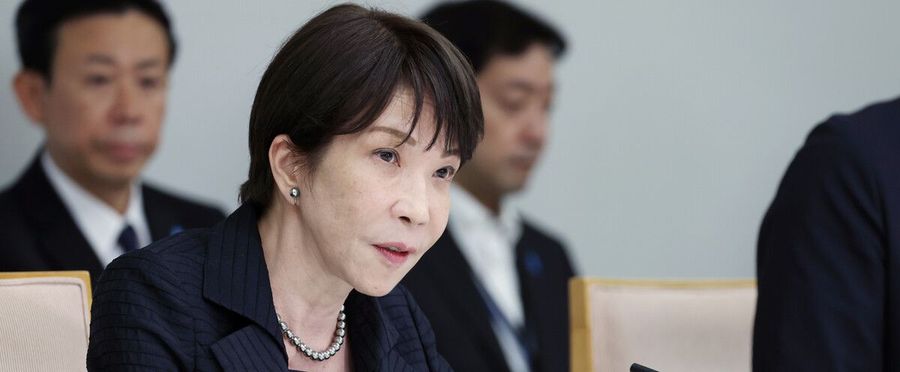
Kumamoto's ongoing recovery and reconstruction following previous natural disasters sparks fresh discussions about the reorganization of the supplemental budget. With the aim of accelerating disaster recovery, the government considers revisions to the disaster-stricken region’s fiscal plan. The stipulated objective is to secure adequate funding to cover the expenditures required for the rebuilding processes, yet the proposed budget allocation still ignites debates.
This recovery process in Kumamoto holds a significant place in the Japanese population's heart due to the devastating earthquakes that occurred in 2016. The urgency of rebuilding communities and restoring life to normality is deeply integral to Japanese values of resilience and community integration. The debates surrounding the supplemental budget reflect civic consciousness and active participation in government decision-making.
In the United States or European Union, similar situations often arise post-natural disasters where the allocation of disaster recovery funds are critically discussed. The government usually creates a special fund for disaster recovery which is then supplemented by private donations. The public's involvement in such decisions is usually more indirect, and large decisions like budget allocations are often left to elected representatives.