
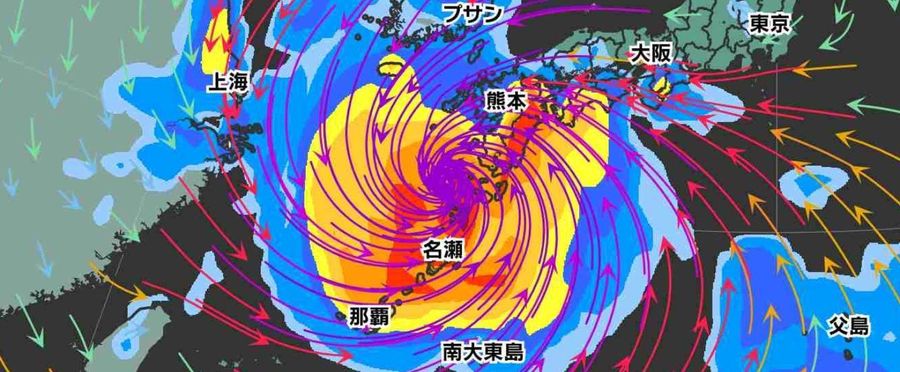
As Typhoon 13, a powerful tropical storm, moves away from Okinawa, forecasts suggest its possible approach towards Kyushu. Residents and authorities in these regions prepare for the typhoon's impact, alert for potential disasters such as heavy rain, strong winds, and flooding. Taking action in advance, necessary safety measures are undertaken to minimize damage and ensure public safety.
In Japan, such weather events are common and people are well-prepared. They value safety, cooperation, and preparedness. News about an approaching typhoon tend to stir fast and steady responses from both the government and citizens. The Japanese Meteorological Agency releases reliable and timely updates, and people take necessary precautions like disaster preparedness drills, securing belongings, or temporary evacuation if advised.
In the US and EU, similar proactive forecasts and preparedness measures are taken ahead of potentially damaging weather events. But different geographical features and housing structures can result in varying priorities. For instance, in the US, hurricanes on the coast can lead to mandatory evacuations, whereas in some parts of EU with advanced infrastructure, the focus may be more on maintaining regular communication and updates.