
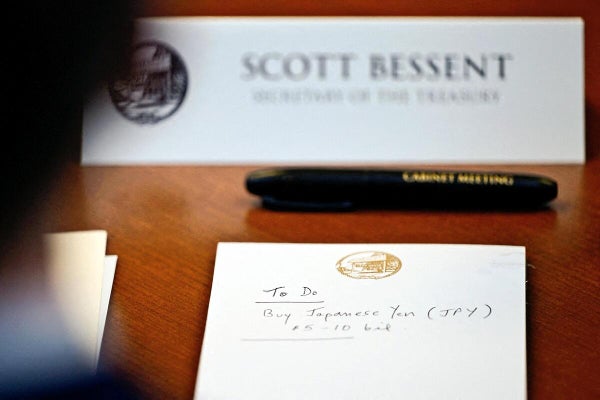
After a remarkable 15-year gap, the US and Japan have once again decided to join forces and intervene in the exchange market. This unprecedented move is aimed to stabilize and manage their respective currencies against potential fluctuations. The details of the collaboration including time, methods, and goals, are yet to be publicly disclosed. However, this move is believed to fortify mutual economic ties and ensure stability in global financial markets.
In Japan, currency intervention is viewed as a significant tool of economic policy-making. The public and businesses alike tend to pay close attention to such moves, given their wide-ranging impact on the economy. Also, Japan has been known for its assertive currency intervention in the past, so this collaborative move with the US, a dominant player in global finance, holds particular significance.
In the US and EU, interventions are less common, and attitudes towards them are somewhat divided. The decision to intervene is usually seen as a serious step due to the significant impact it has on the economy, and there's a preference for market-driven exchange rates. However, under certain circumstances, strategic interventions have been conducted to ensure economic stability.