
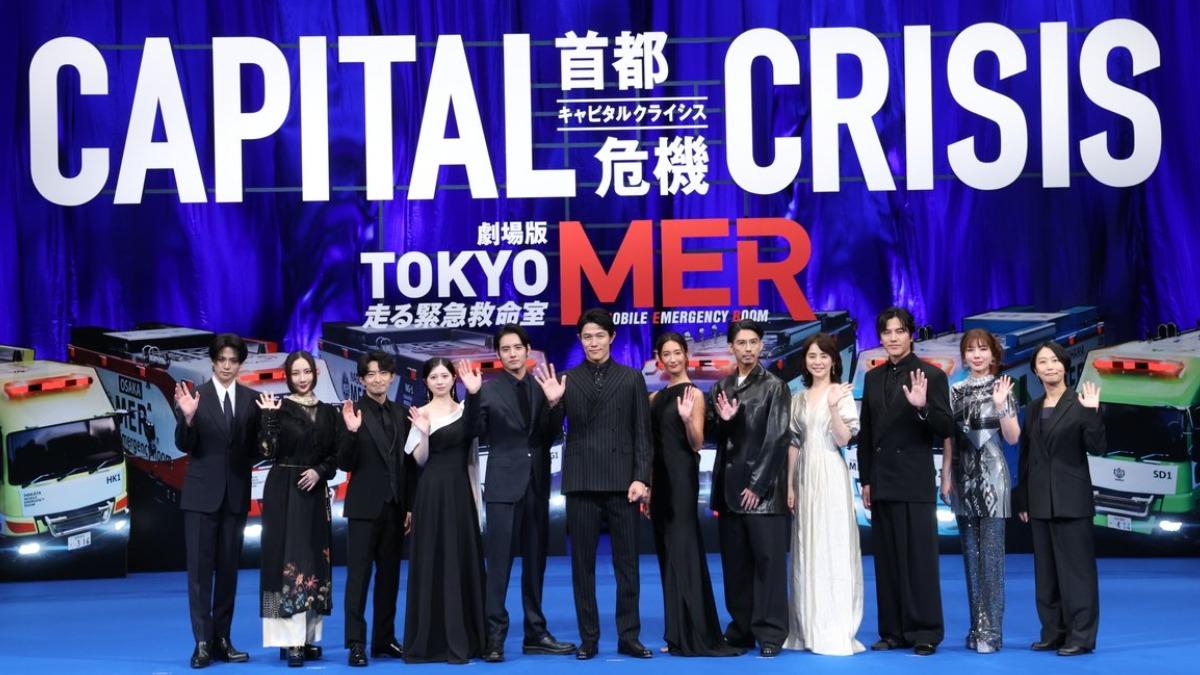
Post-disaster, the role of the entertainment industry in Japan comes under the spotlight, as questions surface regarding the need for a uniform response across all forms of entertainment. This news highlights recent discussions sparked in the wake of natural disasters, focusing on whether shifts in media content should be a standardized procedure or left to discretion. As various stakeholders weigh in, the broader question of the entertainment industry's role in maintaining public morale during challenging times arises.
In Japan, where society places a high value on harmony and unity in times of crisis, the entertainment industry often adjusts content to be sensitive to on-going situations. For example, after a natural disaster, TV shows and movies may be cancelled or replaced with more calming media. This concept is not legally mandated but more of a cultural practice aimed at showing solidarity and avoiding ill-timed entertainment.
In contrast, the US or EU does not typically have cultural expectations for shifts in entertainment following a disaster. Although some networks may adjust their programming in response to significant national tragedies, there isn't a common practice or expectation for a uniform response.