
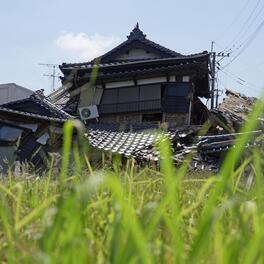
In the aftermath of a severe earthquake in Kumamoto, a husband's bravery shines as he rescues his wife who was trapped under the rubble. The incident occurred following the devastating quake, leaving a path of destruction in its wake. The husband, through relentless efforts, was able to pull his spouse to safety, serving as a beacon of hope amidst disaster. This remarkable act of courage has caught the attention of the nation, putting a spotlight on the resilience of the human spirit in times of crisis.
Japan, being a country prone to seismic activities, places a high value on disaster preparedness and response. Stories of personal heroism, such as this one, are particularly valued, emphasizing the importance of community strength and resilience. Incidents like these also stir dialogue on the continuous improvement of infrastructure and disaster management protocols in Japan.
In the U.S. and EU, similar news also receives wide attention, but the focus often pivots more towards critique of the efficiency of the disaster response system. Stories of individual heroism within these circumstances serve to highlight resilience, similarly to Japan, but may also become grounds for discussions on policy or systemic changes.