
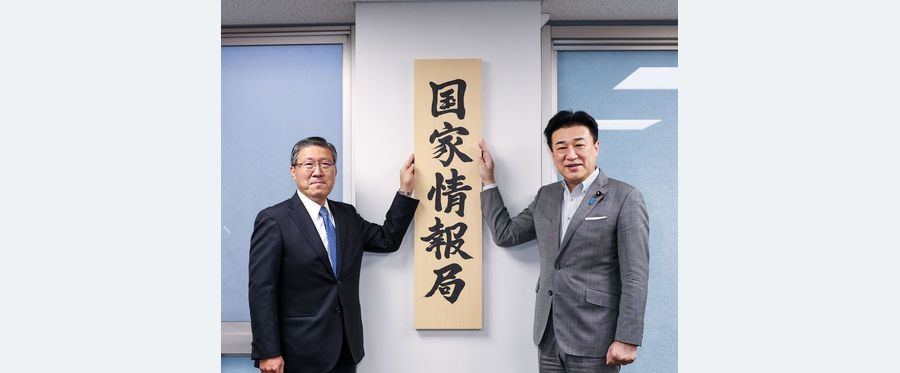
Japan recently launched a new National Intelligence Agency, aiming to dismantle its traditional partitioned government structure, often criticized as bureaucratic silos. This major reform occurred to increase information sharing among different government sectors, enhancing national security operations. The agency's primary mission includes counter-terrorism, cybersecurity, and foreign intelligence. Specifics regarding its structure, operational strategy, timeline, and key personnel are yet unknown.
Vertical administration, where each ministry operates in isolation with little cross-cooperation, often characterized Japanese government agencies. This move towards a centralized intelligence agency marks a significant shift from this setup, aiming to improve governmental efficiency. With increasing threats to national security, Japanese citizens demand rapid, coordinated, and effective responses, driving this change.
This development parallels the centralization of intelligence entities seen in the US with the creation of the Department of Homeland Security following 9/11 or the establishment of the EU Intelligence and Situation Centre. Both these Western organizations were formed to foster stronger cooperation among various agencies involved in national security.