
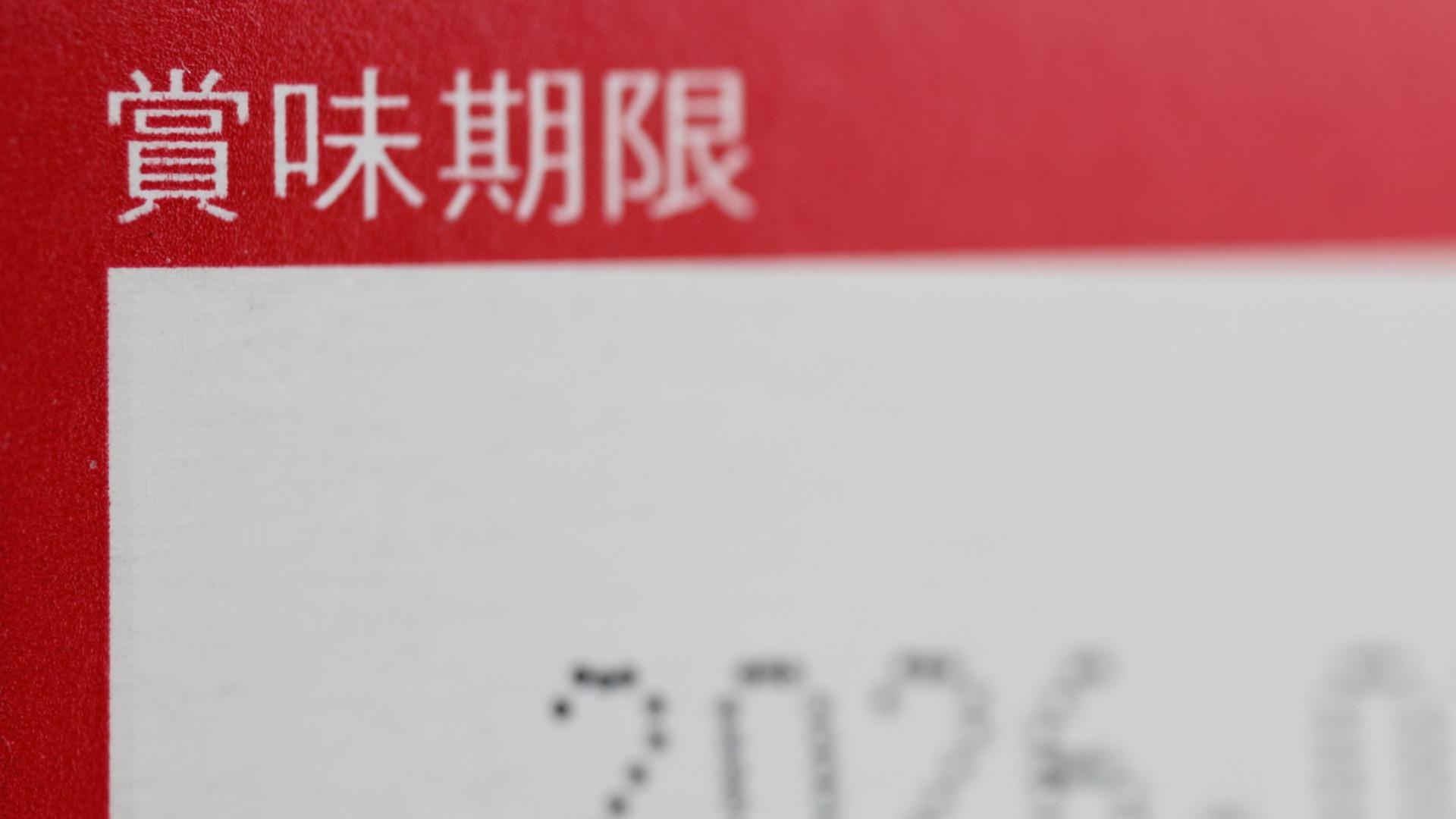
In efforts to address the food scarcity caused by disasters in Japan, authorities are strategically applying flexibility to food expiration dates. This initiative aims at ensuring that food resources, normally discarded post-expiry, are safely utilized. However, strict guidelines are being followed to avoid health risks. Specifics like the type of disaster, the nature of the food, and the delay in reaching the disaster zones are considered before administration.
In Japan, food safety measures are highly regarded. Yet, during disaster moments, these measures create challenges as discarded food could have been used in resource-limited settings. This innovative approach of flexibly handling expiration dates could alleviate the issue, without compromising health safety. The public is particularly interested in these initiates due to Japan's vulnerability to natural disasters.
In the US or EU, food waste is a significant issue and various measures are being taken to minimize it. While disaster relief is handled differently, flexibility around expiry dates isn't common due to stringent food safety regulations. The Japanese initiative might inspire new thinking in these countries about how to balance food safety demands with resource optimization during crises.