
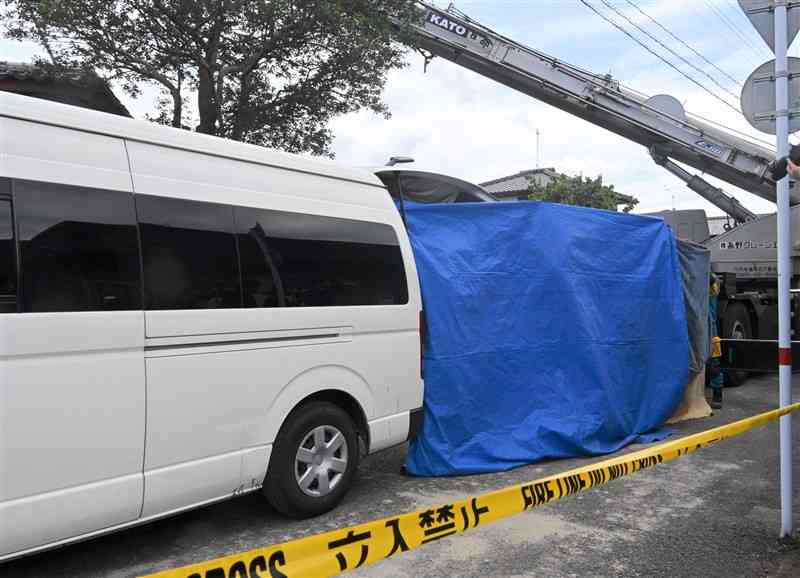
A devastating earthquake has struck Kumamoto, Japan, prompting a race against the clock as rescue teams scramble to find survivors in the critical first 72 hours. With the help of the local community, government and various organizations, they are tirelessly working to locate and rescue those trapped under the rubble. The earthquake, one of many Japan consistently faces due to its geographical location, has significantly impacted the region, prompting a state of emergency to be declared.
Being a highly earthquake-prone country, Japan values preparedness, promptness, cooperation, and resilience in response to such disasters. The 72-hour window holds significant importance as the highest probability of finding survivors after an earthquake. The societal expectation and legal duty in Japan is to mobilize resources swiftly for rescue operations during this window.
Like in the US or EU, natural disasters are met with immediate and robust response efforts. However, Japan's frequency of earthquakes has resulted in more specialized procedures and protocols in place for such instances. While the response in the US or EU might differ slightly due to geographical and infrastructural differences, the emphasis remains on human life, rapid response, and eventual recovery and rebuilding.