
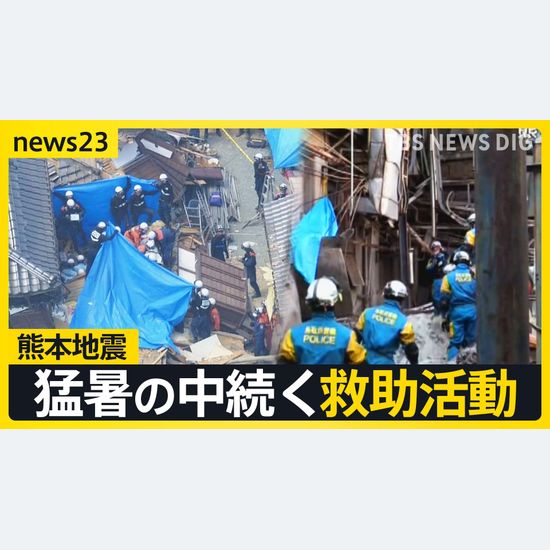
Amid the severe heatwave gripping the Japanese city of Kumamoto, the situation remains dire, with residents still unable to wash their wounds due to water shortages. This crisis, unfolding at the peak of summer, has exposed vulnerabilities in the city's infrastructure and healthcare preparedness. Efforts to alleviate the situation are in progress, but the persistent heatwave is compounding the problems.
In Japan, water supply disruptions during emergency situations are seen as significant failures in crisis management. Citizens place great emphasis on public service efficiency, making this a common topic of household discussions and political debates. Furthermore, Japan's social values regarding hygiene and cleanliness heighten the concern surrounding this issue.
While major cities in the US and EU also face challenges in case of extreme weather events, a more diversified and larger-scale infrastructure often allows for quicker emergency actions and response times. However, both US and EU cities have faced criticism for often insufficiently focusing on vulnerable populations in such crises.