
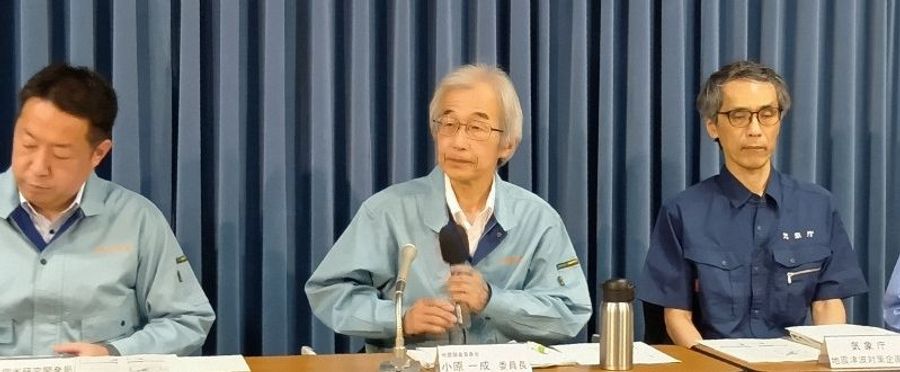
A research commission has reportedly discovered remaining fissures in the fault line identified as the source of a previous major earthquake in Japan. The precise location and scale of these unexamined fragments are yet to be revealed. However, the prevailing assumption is that they may still carry a potent potential for seismic activities. The discovery triggers further geological investigation and revision of local disaster preparedness measures.
Earthquake studies and preparedness hold a vital position in Japan, given its high-grade seismic activity. The citizens consider these geological findings seriously as they contribute significantly to the development of disaster management plans. These findings also shape the societal, architectural, and infrastructural aspects to ensure safety and resilience against earthquakes.
In the U.S. and E.U., similar discoveries would also trigger a revision of the existing measures of preparedness. However, the difference lies in the immediateness of the response. Japan's seismic activity and historical experiences with devastating earthquakes make the nation more swift and systematic in responding to such scientific findings.