
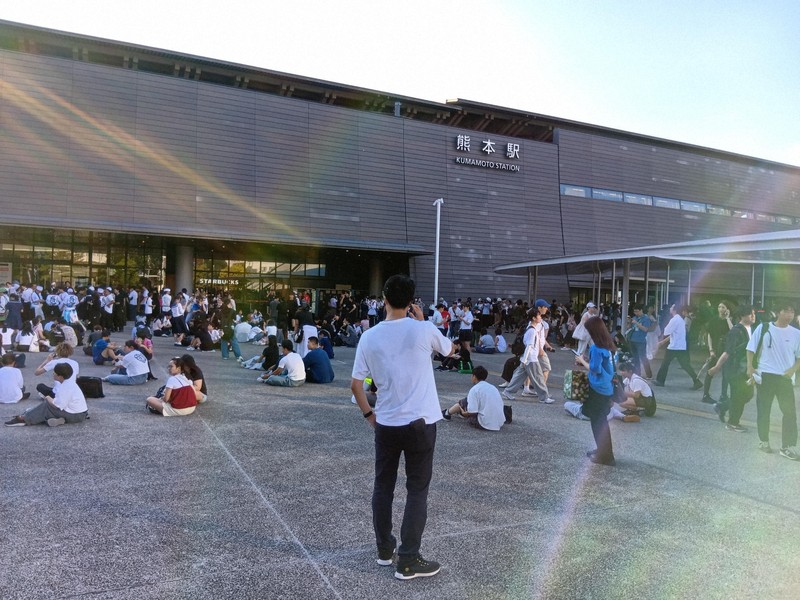
Due to increasing midsummer temperatures, many Japanese residents are finding themselves living in temporary shelters during the evacuation phase. This article delves into crucial measures to ensure safety and avoid maladies such as heatstroke during this tenuous period. Japanese experts emphasize the importance of proper hydration, securing cool spaces, and managing crowd control to ensure everyone's well-being.
Japan experiences several natural disasters annually, leading to temporary displacement of people. Among these crises, summer-related evacuations are becoming increasingly common due to rising temperatures. Japanese society is highly prepared and drills regularly for emergencies, but the prolonged summer heat poses a new challenge. People's health and safety are regarded with utmost value, leading to a nationwide effort to improve evacuation procedures during the summer months.
In contrast to the US and EU where logistical aspects of evacuation dominate the discourse, Japan puts equal emphasis on cultural and social factors, including crowd management and community support. This is particularly evident in places like the US that can face hurricane or wildfire evacuations, where the focus is more on the speed and efficiency of evacuation. However, heat-related safety during evacuations is a global concern, especially with increasing climate change impacts.