
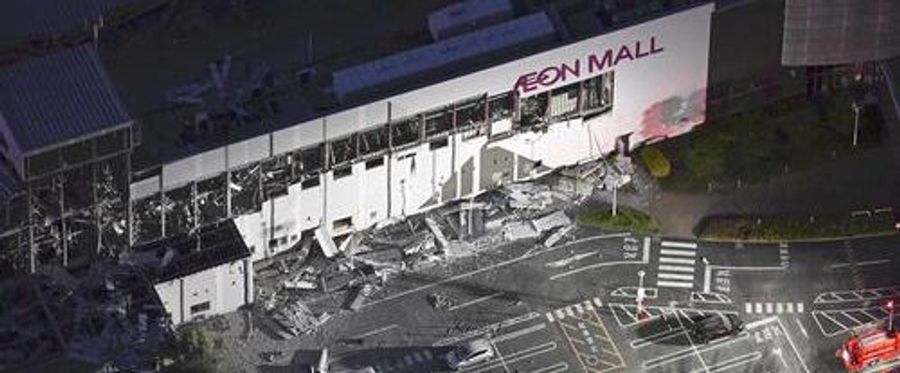
In the aftermath of a significant earthquake in Japan, there has been a rise in the spread of unsubstantiated claims and rumours, causing additional public concern. Japanese authorities are working tirelessly to quell the diffusion of false information, emphasizing the importance of relying on verified sources during such uncertain times. The immediate circumstances surrounding these unproven narratives remain unclear, however, measures are being taken to maintain public safety.
Japan, being vulnerable to frequent seismic activities, has a robust disaster management system. The spread of false information during such times is seen as a severe situation, given the risk it poses to effective response and recovery efforts. Japanese communities value the sense of unity and cooperation during these times, and false information can undermine these values.
In the US and EU, similar measures are taken during any disastrous incident. Fake news and misinformation are heavily discouraged, and respective governments and organizations work to ensure public safety through the diffusion of confirmed news from reliable sources. Misinformation during disaster situations is widely considered detrimental to efficient disaster relief and recovery efforts.