
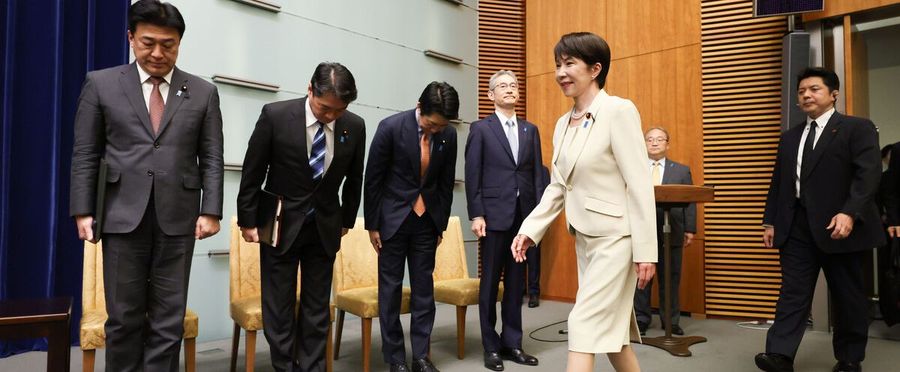
Japan has recently launched an increase in the food consumption tax by 1%. While the move intends to bolster state revenues, it has stirred controversy due to the delayed resolution of critical issues. Critics argue that the impact on ordinary consumers and small businesses has not been adequately considered, with potential negative consequences for the national standard of living and economic stability. The government is yet to lay out a comprehensive plan to mitigate potential negative impacts.
Japan has been grappling with deflation and economic stagnation for decades. The consumption tax hike is a part of the government’s long-term fiscal consolidation policy. However, any increase in tax rates, especially on essential goods like food, is a contentious issue in Japan, as it directly affects households' living costs and welfare. There is a social value placed on protecting the consumers and smaller businesses that might be affected.
In the US and EU, taxes on food items are typically lower or exempt, recognizing food as a basic necessity. Proposed tax increases, especially on essential goods, often face political and public opposition due to concerns over cost of living increases.